Some lives grow quiet long before anyone notices.
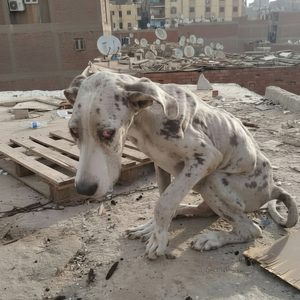
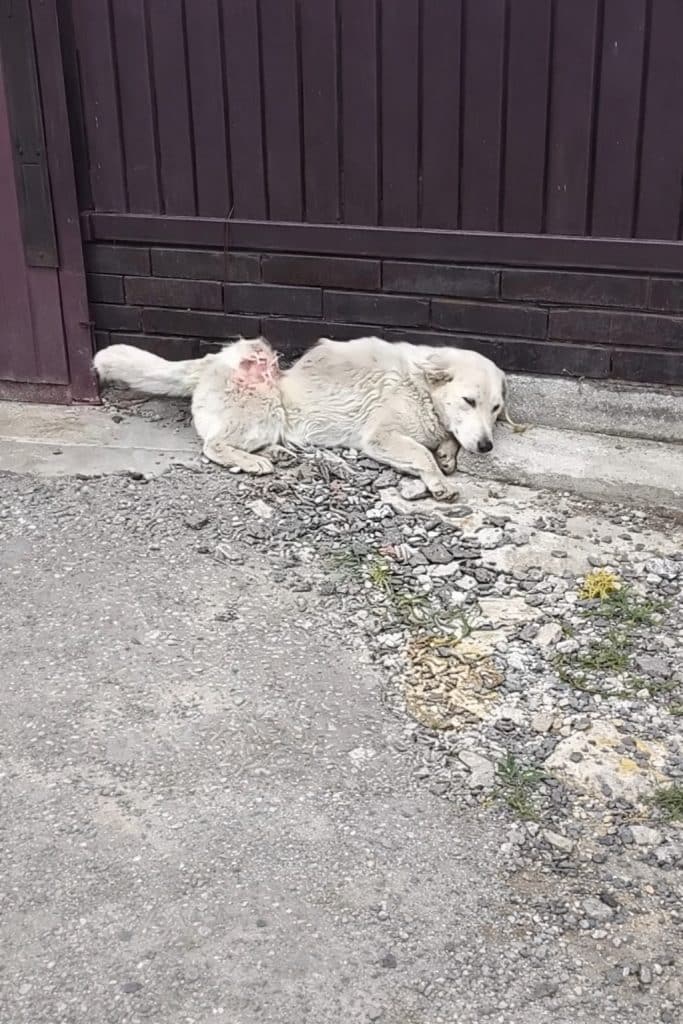
Tosya’s world had become a series of shadows between old garages and crumbling walls. A small white dog with black spots, she slipped silently between abandoned buildings, always alert, always afraid.
Winter arrived without mercy.
The air turned sharp. The ground hardened. And for Tosya, standing still was not an option. To stop moving meant losing warmth. To lose warmth meant losing everything.
She had once belonged to someone.
But by autumn, she had been left behind.
Whatever trust she once carried faded with each passing week. By the time rescuers began searching for her, Tosya had already learned to disappear at the first hint of human footsteps.
A Dog Who Refused to Be Caught — Even When Help Was Offered
People tried.
They called her gently.
They left food nearby.
They searched the areas where she had been spotted.
But Tosya moved like the wind. The moment she sensed attention, she vanished. Fear shaped every decision she made. Survival depended on distance.
Weeks passed with no sign of her.
Until the call came.
A small injured dog had been seen nearby—attacked and barely moving. The description was painfully familiar.
It was Tosya.
What had once been a distant rescue effort suddenly became urgent.
Video: Through Freezing Nights and Silent Pain, She Finally Found Her Way Back to Safety
When Fear and Pain Collided
Reaching her required more than good intentions.
She was injured.
She was terrified.
She no longer believed in rescue.
A full team gathered, moving slowly and carefully. There was no rushing. Every movement had to be deliberate, calm, patient. It took time—long, careful time—to guide her into safety.
When she was finally secured, her body trembled not in resistance, but in exhaustion.
The fight to survive had drained her completely.
The Truth Revealed Under Clinic Lights
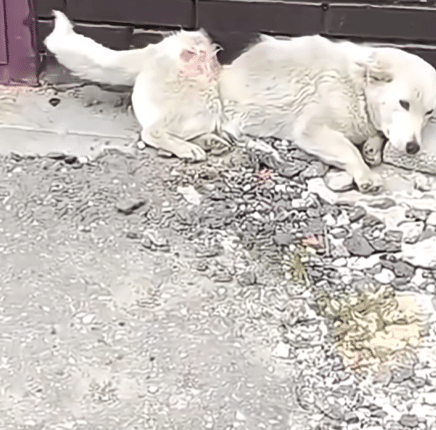
At the veterinary clinic, the full weight of her condition became visible.
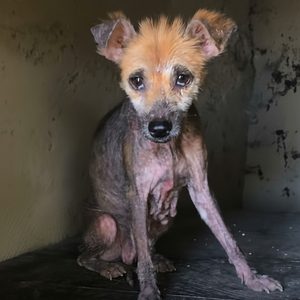
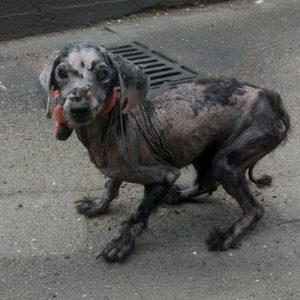
Her small body was covered in painful wounds.
Infections had set in.
She had endured far more than anyone realized.
And yet, she had remained silent.
The medical team began treatment immediately. They scanned her for a microchip, hoping for answers—hoping someone might still be searching for her.
There was nothing.
No record.
No owner.
No one waiting.
That night, for the first time in many months, Tosya slept on something soft. Warm blankets replaced frozen ground. Gentle hands replaced isolation.
Her breathing slowed.
She rested.
The Slow Return of Trust
Healing did not happen overnight.
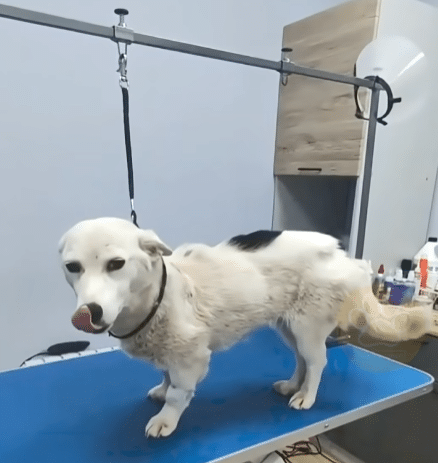
Each day brought small improvements. Medication eased her infections. Nourishing food rebuilt her strength. Caregivers sat beside her without expectation, allowing her to choose closeness rather than forcing it.
Gradually, her eyes changed.
They no longer darted constantly toward exits.
They lingered.
They softened.
She began accepting touch.
Then she began seeking it.
A fragile trust was forming—step by step.
From Survival to Joy
Weeks later, Tosya stepped outside again.
But this time, she was not running to escape.
She wore a purple leash. Her body, once thin and trembling, moved with confidence. The winter that had once threatened her life had given way to a different season entirely.
She walked beside someone who chose her.
Trees lined the path.
Sunlight filtered gently through their branches.
Her tail lifted high.
The dog who once believed that stopping meant death now walked calmly, knowing she was safe enough to pause.
A Story of Resilience and Quiet Hope
Tosya’s journey reminds us that survival is not always loud.
Sometimes it looks like a small body moving endlessly through freezing air.
Sometimes it looks like wounds endured in silence.
Sometimes it looks like fear slowly turning into trust.
She did not ask to be abandoned.
But she chose to keep going.
And because a group of people chose patience over frustration, compassion over convenience, Tosya’s story did not end in a cold garage.
It ended on a tree-lined road—where a once-forgotten dog walked toward a future filled not with fear, but with belonging.