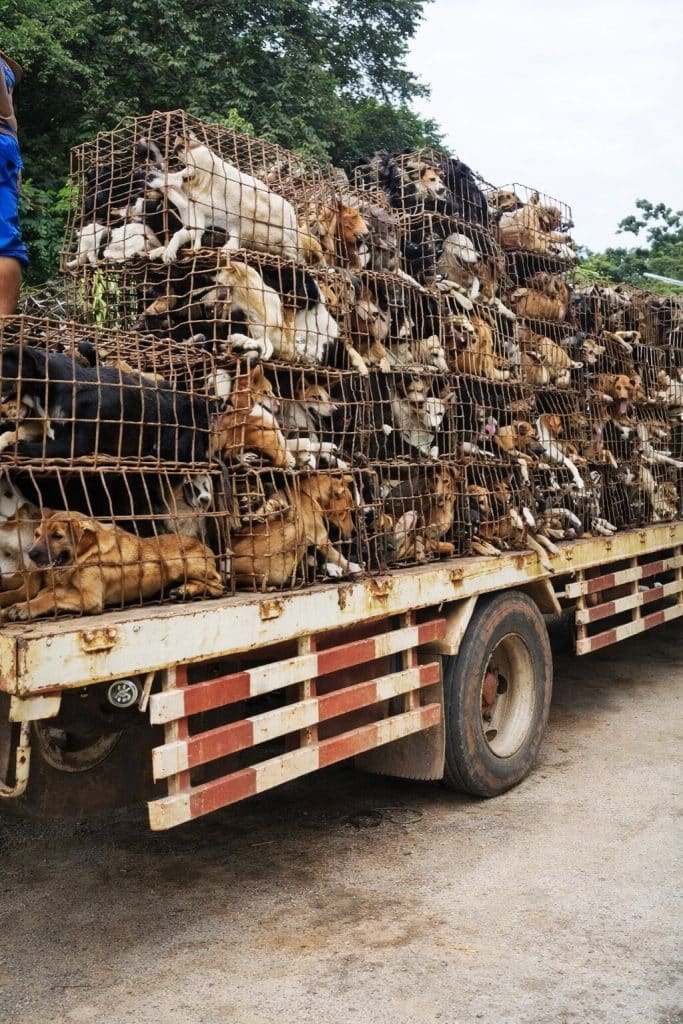
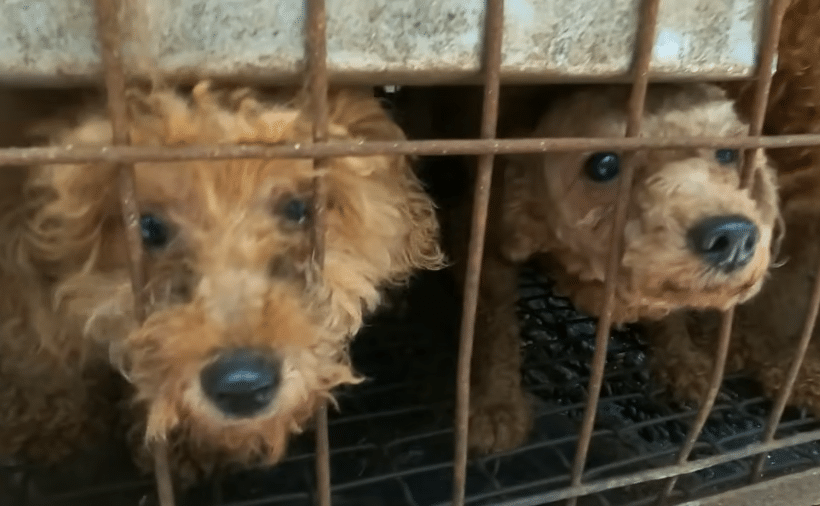
When rescuers first arrived at the location, they knew immediately that something was wrong. Hidden behind metal fences were rows of cramped cages stacked close together. Inside them were hundreds of dogs—large and small—living in conditions that no animal should ever have to endure.
Many had gone without proper food or water. The air was heavy, the cages were unclean, and some of the dogs had been confined for so long that they barely reacted when people approached.
It was a heartbreaking scene, but it was also the moment when their story began to change.
A Massive Rescue Effort Comes Together
Animal welfare organizations, including the dedicated team at K9 Global Rescue, joined forces with government authorities and volunteers to carry out a large-scale rescue mission.
The operation required careful coordination. Before any dog could be moved, the rescue teams had to work through legal procedures to ensure that the animals could be removed lawfully and given proper care.
Despite the complexity, everyone involved shared the same goal: give these dogs a chance at a better life.
Video: Hundreds of Dogs Rescued From Cages Begin Their Journey to Freedom
Dogs of Many Breeds Waiting for Help
As the rescue unfolded, the teams realized just how many different breeds were trapped inside the facility.
Some were large dogs such as Tosa, a powerful breed originally from Japan. Others were familiar companion breeds that many families around the world know and love.
Among the dogs were Huskies, Corgis, Beagles, Pomeranians, Poodles, Labradors, and Dachshunds. Seeing so many different breeds together in such difficult conditions reminded rescuers just how important their mission was.
Each dog had its own story—and each one deserved a future far different from the place they had been found.
Careful Steps to Bring Them to Safety
Rescuing the dogs was not as simple as opening cages and walking them out. Every step had to be done responsibly and carefully.
First, rescue teams worked with the facility’s owner to complete the legal paperwork that allowed the animals to be released into protective care. Only after this process was completed could the rescue teams begin removing the dogs.
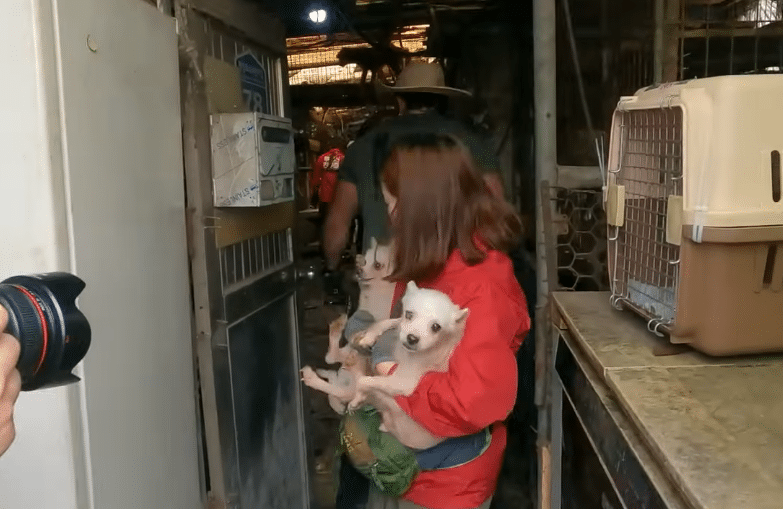
Once freed from their cages, the dogs were immediately examined by veterinary professionals on site. The medical teams conducted health checks and screened for infectious diseases such as parvovirus, rabies, and heartworm.
This early medical evaluation was essential to ensure the safety of all the animals during transport and rehabilitation.
The First Ride Toward a Safer Place
After their initial health checks, the dogs were carefully placed into specialized transport crates designed for safety and comfort. Trucks arrived to carry them to a sanctuary where they could finally rest and begin to recover.
For many of these dogs, the ride marked the first step away from the only environment they had known for a long time.
The sanctuary offered a completely different world. Clean spaces, fresh bedding, wooden floors, and quiet resting areas replaced the crowded cages they had left behind.
For the first time in a long while, the dogs could begin to relax.
Healing Both Body and Spirit
Physical recovery was only part of the journey. Many of the rescued dogs were understandably shy and uncertain around people.
Some had likely experienced long periods of confinement and limited human contact. Rescue workers approached them gently, allowing each dog to move at its own pace.
Through patience, soft voices, and consistent care, the teams began helping the dogs rebuild their sense of safety.
Over time, small signs of trust started to appear—wagging tails, curious glances, and the quiet comfort of resting peacefully.
These moments were powerful reminders of how resilient animals can be when given kindness and stability.
Preparing for a Brighter Future
The long-term plan for the rescued dogs focuses on full recovery and a fresh start.
Veterinary teams continue to monitor their health, ensuring each dog receives vaccinations, proper nutrition, and medical treatment where needed. At the same time, caregivers help them gradually adjust to a life that includes regular human interaction, play, and freedom to move.
For some of the dogs, the next step will be relocation to the United States, where rescue partners will help match them with loving families ready to provide permanent homes.
A Community Effort That Makes Rescue Possible
Large rescue operations like this depend on the support of many people. Volunteers, veterinarians, transport teams, and rescue organizations all play a role in giving these animals a second chance.
Support from the wider community also makes a significant difference. Sharing the story, raising awareness, and helping with medical and transport costs allow organizations to continue saving animals in need.
For the hundreds of dogs rescued that day, compassion from strangers has already changed the course of their lives.
And for many of them, the journey toward a safe, loving home has only just begun.