When rescuers first noticed the small puppy lying quietly along a deserted street, it was clear something wasn’t right. He was barely old enough to be away from his mother—no more than a few weeks into life—yet he was already facing challenges no animal that young should ever have to endure. His body was thin, his movements limited, and his eyes carried a tired stillness that spoke of long days without care.
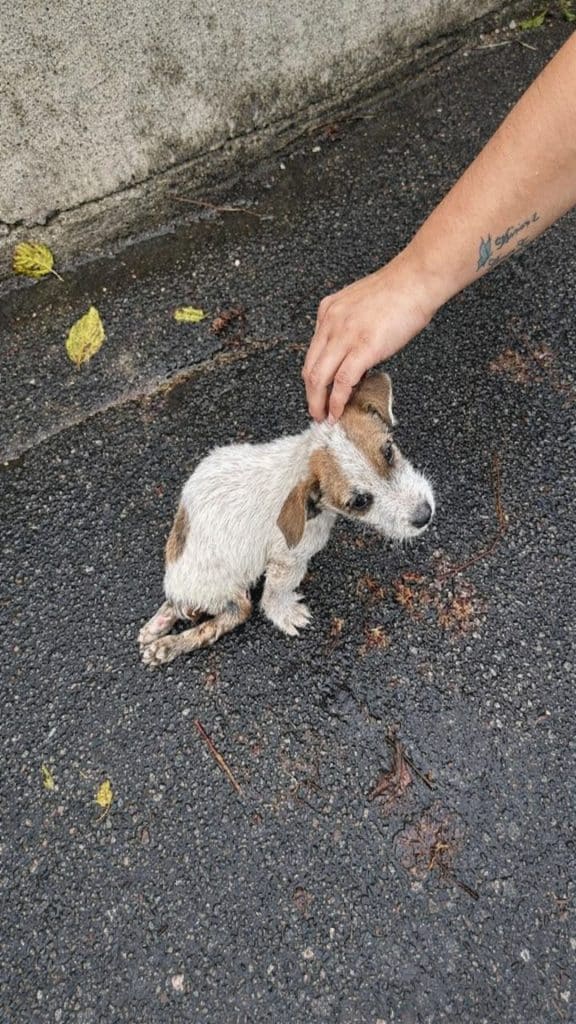
At first glance, the situation looked grim. The puppy couldn’t move the way healthy puppies do. His legs were weak, his spine compromised, and he lay there dependent on the kindness of strangers. But even in that fragile state, there was something impossible to ignore about him. He didn’t shrink away or turn his head in fear. Instead, he watched the people around him closely, as if hoping they might stay.
That quiet hope would soon earn him a name: Clark.
When Clark was brought in for examination, his condition became clearer—and more complicated. His injuries had left him unable to move independently, and his small body showed signs of severe malnourishment. He was dangerously underweight, suffering from advanced anemia, and struggling with basic bodily functions that most puppies never have to think about. Every breath took effort. Every small movement required strength he barely had.
Still, Clark surprised everyone.
When a caregiver knelt beside him for the first time, Clark responded with a faint wag of his tail. It wasn’t strong or energetic, but it was intentional. That simple motion carried a powerful message: he was still here, still aware, and still reaching out.
Veterinarians worked carefully to assess the full scope of his needs. Beyond the visible injuries, Clark required immediate nutritional support and close monitoring. Feeding had to be done slowly and thoughtfully, giving his body time to accept nourishment without being overwhelmed. Each carefully measured meal was part of a larger plan to help him regain stability.
Video Clark the Brave: A Small Puppy’s Powerful Journey Toward Healing and Hope
Progress didn’t come overnight. Some days felt heavy, filled with quiet concern and cautious optimism. Clark needed ongoing medical support to manage discomfort and protect his health. Even small improvements were celebrated, because each one meant his body was responding.
What stood out most during those early days wasn’t just the medical effort—it was Clark’s demeanor. He remained calm and trusting, even during procedures that would make any young animal anxious. He seemed to sense that the hands caring for him were there to help. Instead of resisting, he relaxed into the process, watching faces and listening to voices as if drawing strength from them.
As the weeks passed, subtle changes began to appear. Clark started to gain weight. His eyes became brighter, more alert. He responded more quickly to sound and touch, lifting his head with growing confidence. Those changes, while small on the surface, represented a major shift in his journey.
His care team adjusted treatments as his strength improved, addressing digestive challenges and continuing to support his development. Each step required patience and precision, but Clark met it all with quiet determination. He wasn’t just surviving—he was participating in his own recovery.
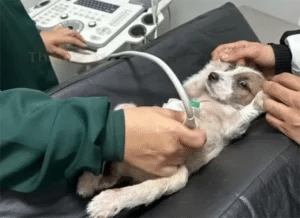
The biggest turning point came with the decision to move forward with spinal surgery. It was a carefully considered choice, balancing risks with the possibility of a better quality of life. For Clark, it represented a chance—not a guarantee, but an opportunity.
The days leading up to the procedure were filled with careful preparation and hopeful restraint. Everyone involved understood the significance of the moment. Clark was still very young, still fragile, but he had already shown extraordinary resilience.
The surgery was successful.
When the news arrived, it brought a wave of relief and renewed optimism. While recovery would take time and continued therapy, the procedure opened a door that had once seemed firmly closed. For the first time, Clark had a real path forward—one that offered the possibility of greater mobility and independence.
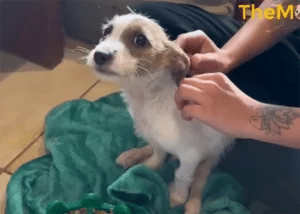
Today, Clark continues to heal. His journey is ongoing, marked by therapy sessions, steady routines, and the consistent presence of people who believe in him. He’s more expressive now, more engaged with the world around him. His personality is beginning to shine through, revealing a gentle, affectionate puppy who greets each day with curiosity rather than fear.
What makes Clark’s story truly meaningful isn’t just the medical progress he’s made. It’s the way he has responded to hardship. Despite a difficult start, he chooses trust. Despite pain and limitation, he offers connection.
Clark reminds us that strength doesn’t always announce itself loudly. Sometimes it shows up in quiet moments—in a soft tail wag, a steady gaze, or the willingness to keep going even when the path ahead is uncertain.
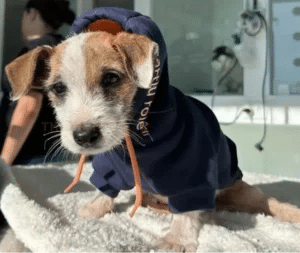
Surrounded by care and compassion, Clark is no longer facing the world alone. He is protected, supported, and deeply valued. And while challenges may still lie ahead, one thing is certain: his story is no longer about what he lost, but about everything he is still becoming.