On a quiet weekday morning in Northeast Philadelphia, a discovery in a wooded corner of a local park quietly unfolded into a story that would stir concern across the community. Tucked away from busy streets and footpaths, a young dog was found tied to a tree, injured and alone. There was no owner in sight, no explanation left behind—only a frightened animal waiting in a place that offered little comfort or safety.
The call first reached local animal control officers, who immediately understood the seriousness of the situation. Given the dog’s condition and the circumstances in which she was found, they contacted humane law enforcement officers for assistance. Within a short time, a coordinated response was underway, and the dog was carefully transported to a shelter hospital where she could receive urgent medical attention and a thorough evaluation.
When she arrived at the shelter, staff noticed her quiet demeanor. Despite her injuries and the stress of being restrained and abandoned, she did not lash out or resist. At first, she was referred to by a temporary name, a placeholder while her condition was assessed. Soon after, caregivers chose a new name for her—Lavender—a gentle name meant to symbolize calm, healing, and the possibility of a new beginning.
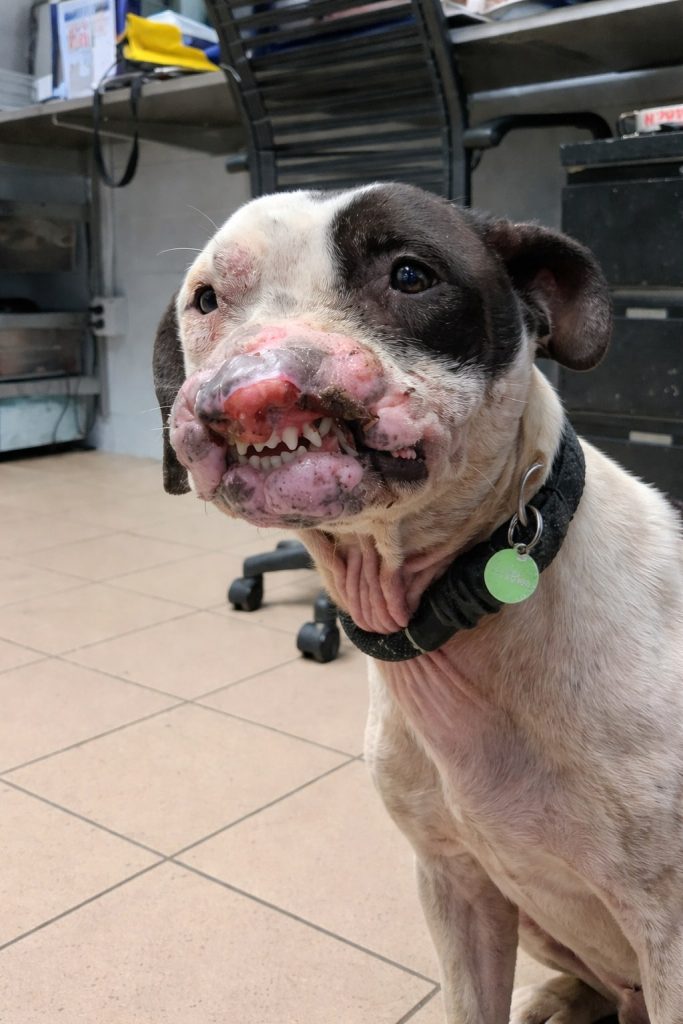
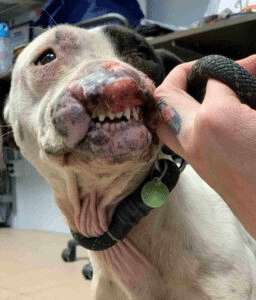
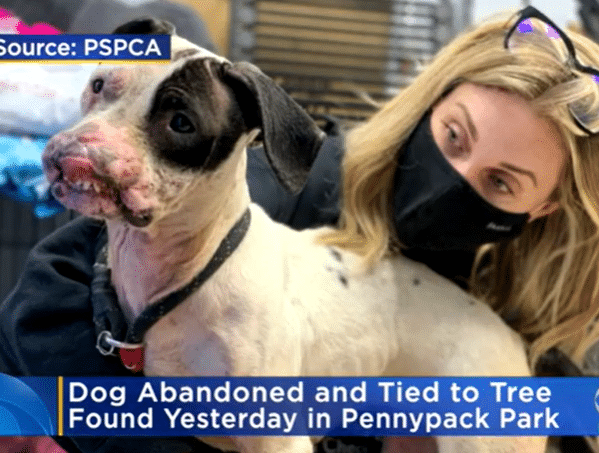
Veterinary examinations soon revealed the seriousness of Lavender’s injuries. She had suffered significant trauma to her face, particularly around her nose. The damage was extensive enough that her nostrils were no longer visible, raising questions about how the injury occurred and how it might affect her long-term health. While she is currently able to breathe through her mouth, veterinarians are continuing to monitor her closely, working to determine what treatments or supportive care may be needed in the future.
Even with these challenges, Lavender has shown a remarkable level of resilience. Shelter staff describe her as cooperative and gentle, traits that make her situation especially moving. She tolerates examinations calmly and seems to trust the people caring for her, a sign that she may have once known a stable and loving environment before her life took a sudden turn. That quiet trust has left a lasting impression on everyone who meets her.
Video SPCA Seeks Public’s Help After Injured Dog Lavender Is Found Abandoned in a Philadelphia Park
What remains unclear is how Lavender came to be tied to a tree deep within such a large park. The area spans hundreds of acres, and investigators believe it would have been difficult for an injured dog to end up there on her own, especially while restrained. This has led authorities to believe that someone intentionally left her behind—and that someone out there may recognize her.
Because of this, humane law enforcement officials are now turning to the public for help. They are asking anyone who may recognize Lavender, recall seeing a similar dog in the area, or have information about her past to come forward. Even details that seem small or insignificant could help piece together what happened and provide clarity in a case filled with unanswered questions.
Leaders within the organization have emphasized that community involvement plays a critical role in situations like this. Animals do not exist in isolation, and it is likely that Lavender was once part of someone’s daily life. Coming forward with information is not about assigning blame lightly—it is about accountability, understanding the truth, and preventing similar situations from happening again.
At the shelter, Lavender’s days now follow a steady, reassuring routine. She receives medical care, nutritious meals, and gentle attention from staff who are committed to her well-being. While her long-term medical needs are still being evaluated, the immediate focus is on keeping her comfortable, reducing stress, and giving her the stability she has been missing.
Cases like Lavender’s highlight the vital role animal welfare organizations play in their communities. What may begin as a routine call can quickly turn into an urgent rescue, requiring medical expertise, investigative work, and emotional care. These organizations rely heavily on public awareness and cooperation, especially when it comes to uncovering the circumstances surrounding abandonment and injury.
For now, Lavender’s story is still unfolding. She is safe, she is being cared for, and she is no longer facing the world alone. Yet many questions remain—who she belonged to, how she was injured, and why she was left behind in such a vulnerable state. By sharing her story, those caring for her hope that someone with answers will step forward.
The response from the community has already offered a measure of hope. Concern, compassion, and a willingness to help have poured in, reminding everyone that voices speaking up can make a real difference. Lavender’s name, chosen with intention, reflects the quiet strength she shows each day and the possibility of renewal ahead.
As the investigation continues, Lavender rests in a place of safety, surrounded by people determined to protect her and see her through to a better future. With the public’s help, her past may soon come into focus—allowing accountability to move forward and giving this gentle dog the fresh start she deserves.