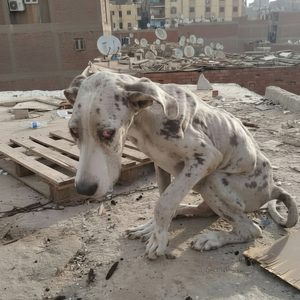
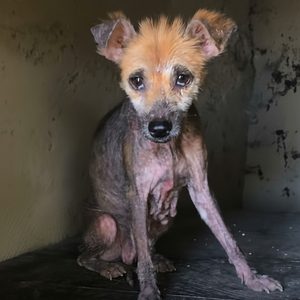
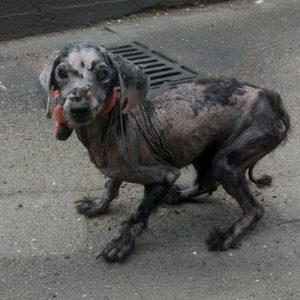
It started with a sentence that carried more weight than the person who wrote it ever realized. A brief comment, casually typed and quickly forgotten, reduced two living beings to a single cruel word. No questions followed. No one asked where they were, how long they had been there, or whether they were safe. The post faded into the endless scroll, but the damage lingered.
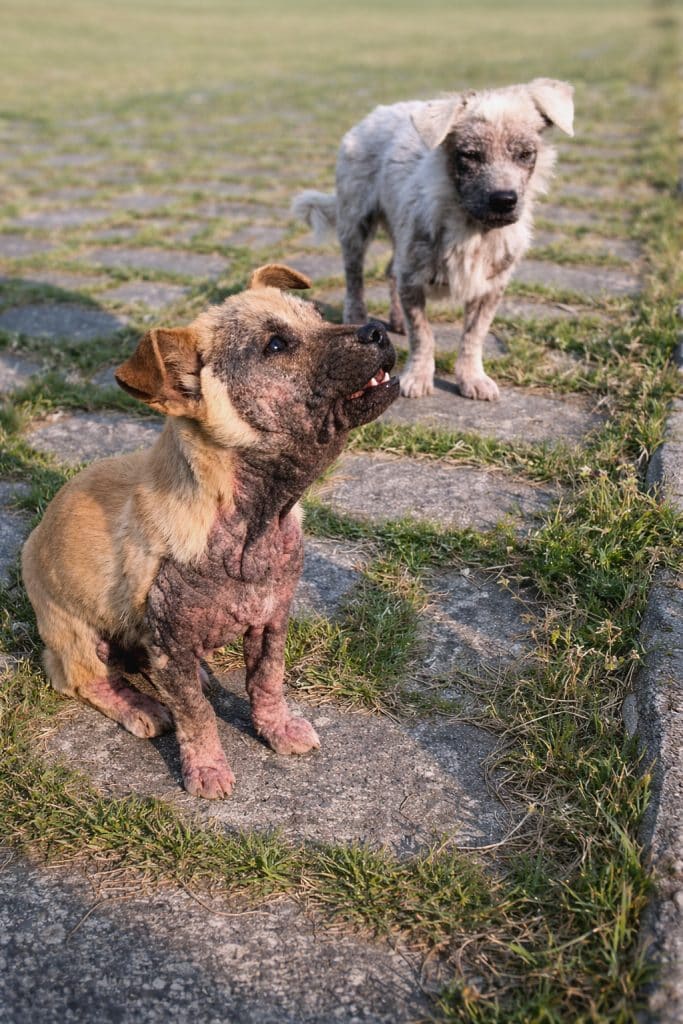
For two young dogs near a quiet campsite, that moment of indifference almost became the end of their story.
The brothers were later named Eundong and Geumdong. Barely a year old, they moved as one from the very beginning. Where one stopped, the other waited. Where one hesitated, the other stood close. In a place where people came and went, their only constant was each other.
Days blended into weeks. Campers noticed them hovering at the edge of the clearing, never quite close enough to touch, never far enough to disappear. They approached slowly when voices were calm, retreating at the slightest sign of tension. They had learned the rhythm of rejection well. It taught them caution. It taught them patience. It taught them that survival meant staying quiet and staying together.
When food appeared, it was never guaranteed. Sometimes scraps landed near them. Other times, nothing came at all. When hunger won, the brothers slipped into tall grass and waited. Being unseen felt safer than being chased away again.
As time passed, their condition worsened. Eundong, the lighter-colored brother, began eating grass. It wasn’t curiosity or play. It was necessity. His body searched for anything that might ease the constant ache in his stomach. Hunger had grown louder than instinct.
By the time rescuers were able to track the original report to an exact location, several days had passed. The weather had shifted. The campsite had grown busier. The fear was simple and heavy: they might already be gone.
But they were still there.
Video They Were Called “Ugly” and Left to Starve — How Two Brothers Survived by Holding On to Each Other
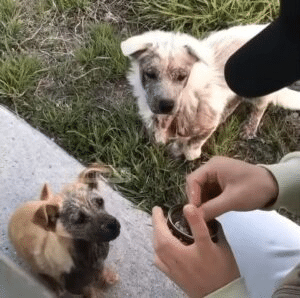
When someone finally approached with food, both dogs stood quickly, unsure whether to trust what they smelled. Then they ate with urgency, not aggression, as if every bite might be taken away. Watching them, one rescuer later said it felt like they had already accepted the idea that they were unwanted.
Up close, the reality was heartbreaking. Their paws were swollen and cracked. Their skin was raw. Their coats were thin and uneven. And yet, in the middle of that exhaustion, Geumdong leaned into a human chest and stayed there. No resistance. No fear. Just a quiet surrender to rest.
Prolonged hunger changes animals in ways many people never see. Dogs deprived of regular meals may begin swallowing things that aren’t food at all. Later medical imaging confirmed this truth. Stones, plastic, and debris filled their systems. They had tried to survive on anything available.
Bringing them to safety wasn’t easy. When it came time to secure them, Eundong panicked and tried to run. A net was used to keep him from bolting into danger. Locals shared bits of what they knew. The dogs had appeared nearly two months earlier. No one knew where they came from. No one had ever claimed them.
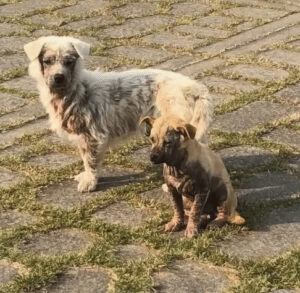
During the long drive away from the campsite, something important became clear. When food was offered, Eundong ate quickly, then paused. He watched Geumdong finish before returning to his own bowl. This wasn’t hesitation. It was intention.
Only later did rescuers fully understand. Eundong had been giving up part of his share so his brother could eat. That was why he had been chewing grass. He was choosing his brother over himself.
At the veterinary clinic, separation was unavoidable. For the first time, the brothers were placed in different spaces. Eundong cried. His body trembled. Staff moved quickly to keep them within sight of one another whenever possible.
The diagnoses were serious. Severe skin disease, parasites, anemia, and extreme malnutrition had taken hold. Their immune systems were weak. Even gentle touch caused discomfort. Eundong’s condition was especially fragile. He required fluids and careful isolation. Geumdong battled a high fever. For several days, progress was uncertain.
Recovery came slowly.
The first week focused on stabilization alone. Careful feeding schedules. Medical baths. Quiet monitoring. At first, the brothers remained withdrawn. Then small changes appeared. Tails lifted slightly. Eyes followed movement. Curiosity returned in cautious steps.
By the second week, blood tests showed improvement. Geumdong’s fever eased. Appetite returned. By the fifth week, the transformation was undeniable. Their skin healed. Fur grew back clean and soft. Swelling faded. Strength returned to legs that had once struggled to hold them upright.
Veterinarians confirmed what everyone already felt. These dogs were likely littermates. Their bond wasn’t coincidence. It had been their shield.
When Eundong and Geumdong finally left the clinic, they no longer resembled the frightened figures from the campsite. They approached people with curiosity instead of fear. They rested without flinching. They leaned into gentle hands.
Both were adopted into homes that saw past a single careless word. Homes that saw resilience, loyalty, and quiet devotion. Not flaws. Not inconvenience. Just two brothers who survived because they refused to let go of each other.
Eundong and Geumdong are alive today because compassion arrived in time, and because their bond never broke. Their story is a reminder of how language can hide cruelty, and how patience and care can restore what neglect almost erased.
Sometimes, survival begins with holding on.