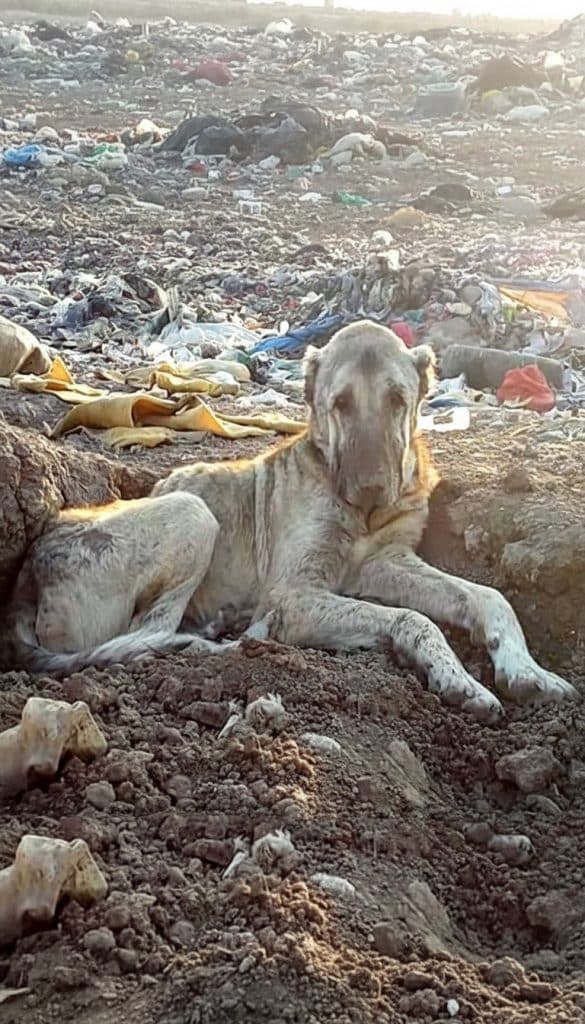
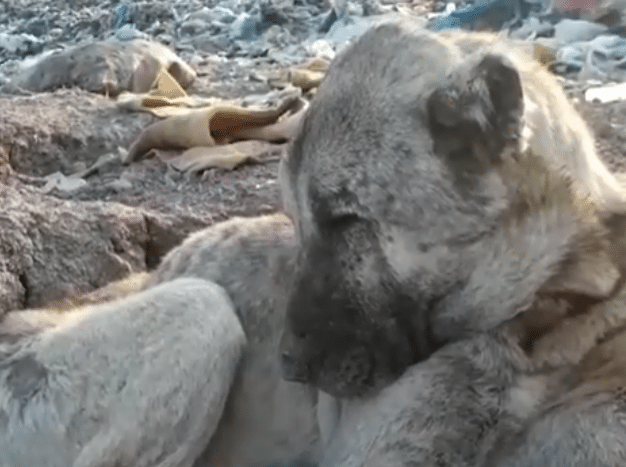
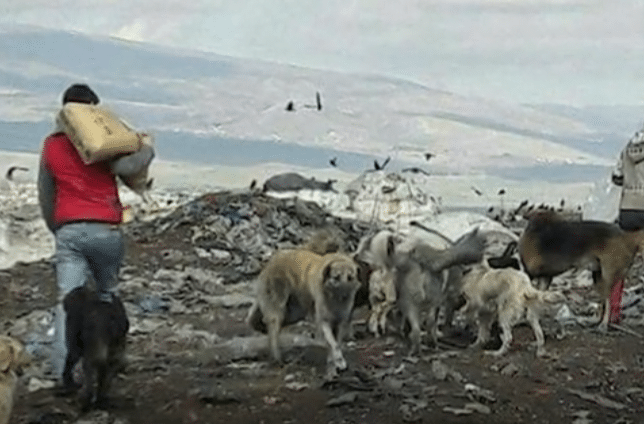
On a cold morning in early October, among the gray stillness of a landfill outside the city of Corum, a large dog lay motionless in the mud. At first glance, it was hard to tell whether he was resting or had already given up. His body was thin, his movements slow, and the cold clung heavily to the air around him.
This was where Kratos was found.
A Life Once Built on Loyalty
Kratos was an eight-year-old Kangal Shepherd, a breed known for strength, calm intelligence, and deep loyalty to humans. Dogs like him are often trusted as guardians and companions, valued for years—until age or illness changes how they are perceived.
At some point, Kratos stopped being seen as useful. Instead of care, he was abandoned in one of the harshest places imaginable.
Video: Abandoned Kangal Shepherd Rescued from Turkish Landfill Begins Heartwarming Road to Recovery
The Toll of Neglect
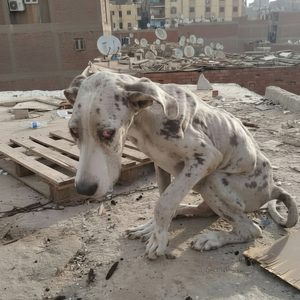
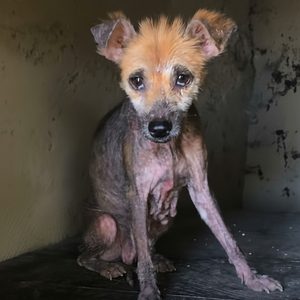
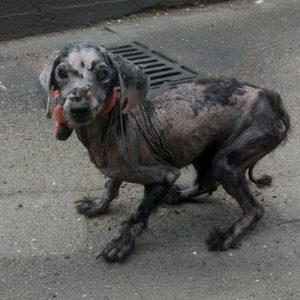
The landfill was muddy, unsafe, and bitterly cold. Kratos’ body showed signs of long-term neglect. He was severely underweight and dehydrated. Painful sores covered his skin, causing large patches of his thick fur to fall away. Each attempt to move looked exhausting, as if even standing required more strength than he had left.
Yet when a rescuer knelt beside him and spoke softly, Kratos’ eyes shifted. Just slightly. Even after everything, he noticed kindness.
Volunteers carefully lifted Kratos and brought him to safety. There was no resistance, no fear-driven reaction—only quiet exhaustion. For rescuers, this gentle response is something they see often in dogs pulled from landfills. Even after abandonment, many still seem to hope humans might choose compassion again.
Across parts of Turkey, rescuers have reported a growing number of dogs found in similar conditions. Older dogs, sick animals, or those no longer wanted are sometimes left behind without protection. Kratos’ story reflects a reality that is difficult to confront, but important to acknowledge.
Healing That Could Not Be Rushed
Kratos’ recovery began slowly. His immune system was weakened, and caregivers knew that pushing his body too quickly could cause further harm. He was given fluids, nourishing food in small portions, and treatment for his damaged skin.
The focus was not speed—but stability.
Day by day, small improvements appeared. His appetite returned. His eyes grew brighter. Soft patches of fur began to grow back where bare skin once showed.
Signs of Trust Returning
What stood out most was not just physical progress, but emotional change. Kratos accepted gentle touch. He responded to calm voices. He rested without constant tension, as though beginning to understand that, for now, he was safe.
These quiet moments carried deep meaning. They spoke of resilience—and of a dog who had not lost his ability to trust, even after being left behind.
Looking Toward a New Chapter
With continued care, Kratos’ caregivers believe he could make a full recovery within a few months. As his strength returns and his coat continues to heal, the idea of a permanent home is no longer impossible.
He is no longer lying in a landfill, unseen and forgotten. He is surrounded by people who believe his life still has value.
Why Kratos’ Story Matters
Kratos’ journey is not just about rescue—it is about dignity. About what happens when someone chooses to stop, look closer, and act with compassion. Behind every abandoned animal is a story we may never fully know, but each one deserves the chance to be rewritten.
Today, Kratos rests in warmth instead of mud. He eats without fear. He sleeps without cold pressing into his bones. His recovery is quiet, steady, and hopeful.
And in that quiet progress lies a powerful reminder: it is never too late for kindness to change a life.