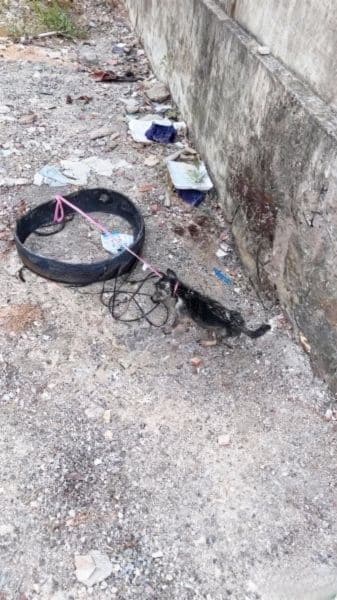
She was left in a place meant for things no one wanted.
Tied beside a trash bin with a short length of rope, the small puppy sat in silence. Around her were discarded objects, sharp smells, and the noise of a world that kept moving without noticing her. She was too young and too weak to free herself. All she could do was wait—confused, frightened, and hoping that someone might see her before fear became something worse.
No one knows how long she had been there.
For a puppy, even a short stretch of time without food, water, or comfort can feel endless. Her small body trembled as people passed by, most unaware that a life was struggling just a few feet away. She didn’t bark. She didn’t cry. She simply stayed still, as if making herself invisible might help her survive.
When rescuers finally arrived, the urgency of the situation was clear. The puppy’s eyes spoke softly but honestly. There was fear there—but also a quiet plea. The rope around her neck was tangled and tight. Her fur was dirty and matted from exposure to the harsh surroundings. She didn’t try to run when help came. Instead, she froze, bracing herself for what she had already learned to expect.
Video: Left Tied to a Trash Bin, a Puppy’s Silent Plea Turns Into a Story of Hope
That realization stayed with everyone who helped her.
Once she was freed from the trash bin, her condition became more apparent. Her skin was irritated and inflamed, showing signs of infection that had gone untreated. She was underweight, her belly swollen not from fullness, but from prolonged hunger. Veterinarians later explained that she had likely been separated from her mother far too early, missing the care she needed during the most important stage of her life.
She had endured more than any puppy should.
Even in that fragile state, something about her stood out. She never made a sound. No whining. No crying. Just quiet endurance. It was as if she had already learned that surviving meant saving every bit of strength she had left.
At the veterinary clinic, her recovery began immediately. She was gently cleaned, treated for infections, and placed somewhere warm and safe. The first nights were difficult. Healing takes time—especially when trust has been broken so early in life. Still, she remained calm, watching her surroundings carefully, as if unsure whether this safety would last.
Slowly, things began to change.
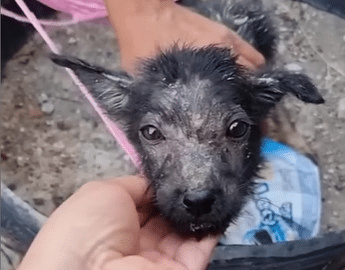
Her skin improved under medical care. Her appetite returned. Soft bedding replaced cold concrete. Gentle hands replaced restraint. For the first time, she slept without fear of being disturbed or harmed.
One small moment revealed just how much she longed for comfort. Someone placed a soft toy beside her, uncertain whether she would even notice it. She reached out with her tiny paws and pulled it close, holding it as if it were something precious. That simple act spoke volumes about her need for safety and connection.
As her body healed, her spirit followed. Her once-dull eyes began to brighten. Her posture changed. A hesitant tail wag appeared—then another, a little stronger than before. The puppy who had once waited silently beside a trash bin was slowly learning how to be a puppy again.
She was given the name Omar, marking a fresh beginning. With that name came a future she could never have imagined during those lonely hours of waiting. A loving family stepped forward, ready to offer patience, understanding, and care.
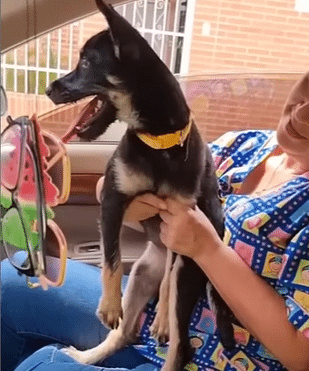
In her new home, Omar discovered the joys she had missed—playtime, gentle voices, regular meals, and a warm place to rest. The fear that once defined her began to fade. In its place grew confidence, curiosity, and quiet happiness.
Omar’s story is not only about survival.
It’s about what happens when someone chooses to stop, to look closer, and to care.
She is no longer defined by where she was left. Instead, she stands as proof that even the quietest plea can lead to healing, love, and a second chance—when compassion finally answers.