The morning Moka was found began like many rescue calls do—quietly, without warning.
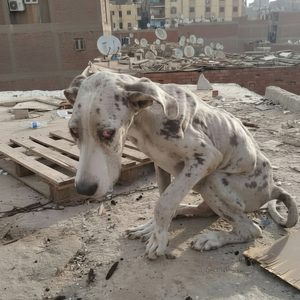
The facility had already been shut down. Doors were locked. The place was empty of people, but not of suffering. Inside, several dogs had been left behind with no food, no care, and no understanding of why everything familiar had suddenly disappeared. Among them was Moka, a young puppy whose fragile body barely responded to the world around him.
When rescuers arrived, the air felt heavy. The dogs were weak, confused, and desperately hungry. Their bodies showed long-term neglect, but their eyes revealed something deeper—fear shaped by abandonment. Help came just in time. Each dog was carefully gathered and rushed to safety, given the chance they had never been offered before.
At the veterinary clinic, emergency care began immediately. Warmth. Fluids. Reassurance. The team moved with calm urgency, knowing that delays could cost lives. While authorities later secured the site and expanded the rescue effort, the emotional toll on the dogs had already taken hold.
Video: Rescuing Moka: From Darkness to Hope
Among all the puppies, Moka stood out—not because he cried or demanded attention, but because he barely reacted at all.
His body was dangerously weakened by malnutrition. He struggled to breathe comfortably. While others trembled or whimpered, Moka lay still, conserving what little strength he had left. It was clear he needed specialized care beyond what most of the others required.
Moka was transferred to an emergency clinic alongside two other critically ill puppies. He required oxygen support and a blood transfusion simply to stabilize. Machines hummed softly in the room, each sound a reminder of how close he was to slipping away. Still, there was something steady about him. A quiet determination that suggested he wasn’t ready to give up.
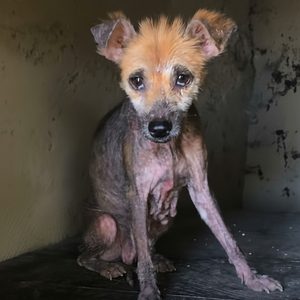
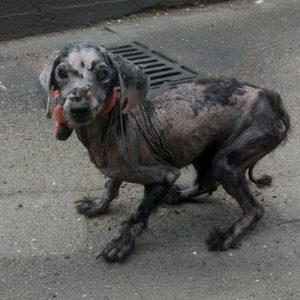
The following day brought clarity—and concern. Tests confirmed prolonged starvation, a weakened immune system, and painful skin conditions that left his body skeletal and vulnerable. He looked far younger than his age, as if time itself had been taken from him.
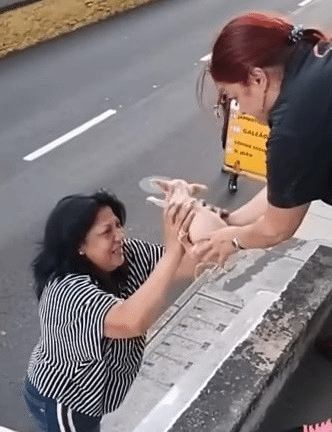
Emotionally, Moka was just as fragile. Human hands caused him to flinch. Voices made him retreat. While the other rescued puppies slowly began to relax, Moka remained guarded, shaped by fear learned far too early. Caregivers respected his pace, offering help without pressure and comfort without expectation.
As weeks passed, most of the rescued puppies began moving on. Their strength returned. Curiosity resurfaced. Many were placed with foster families or transferred to partner shelters in preparation for adoption. Moka stayed behind.
His fragile health made potential adopters hesitant. He didn’t bounce or play the way people often expect from a puppy. But for his caregivers, that didn’t matter. They had made a quiet promise—Moka would not be overlooked again.
Change came slowly.
One morning, Moka approached his food bowl on his own. No encouragement. No coaxing. Just a small, deliberate step forward. It was a simple moment, but it carried enormous meaning. His body was beginning to trust nourishment again.
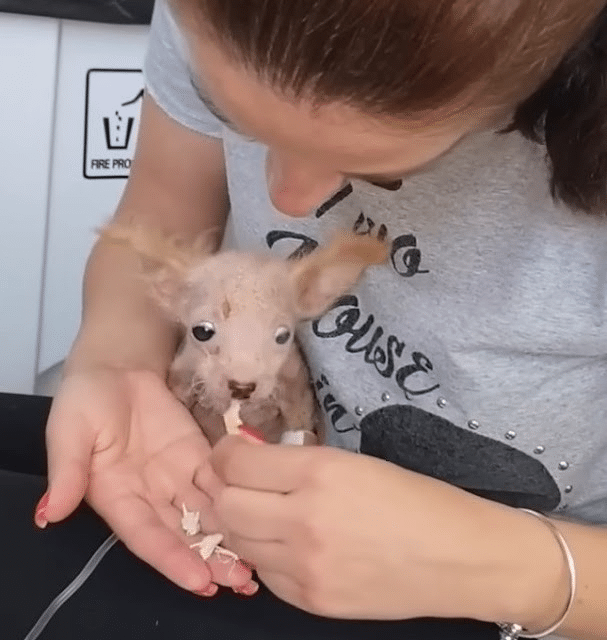
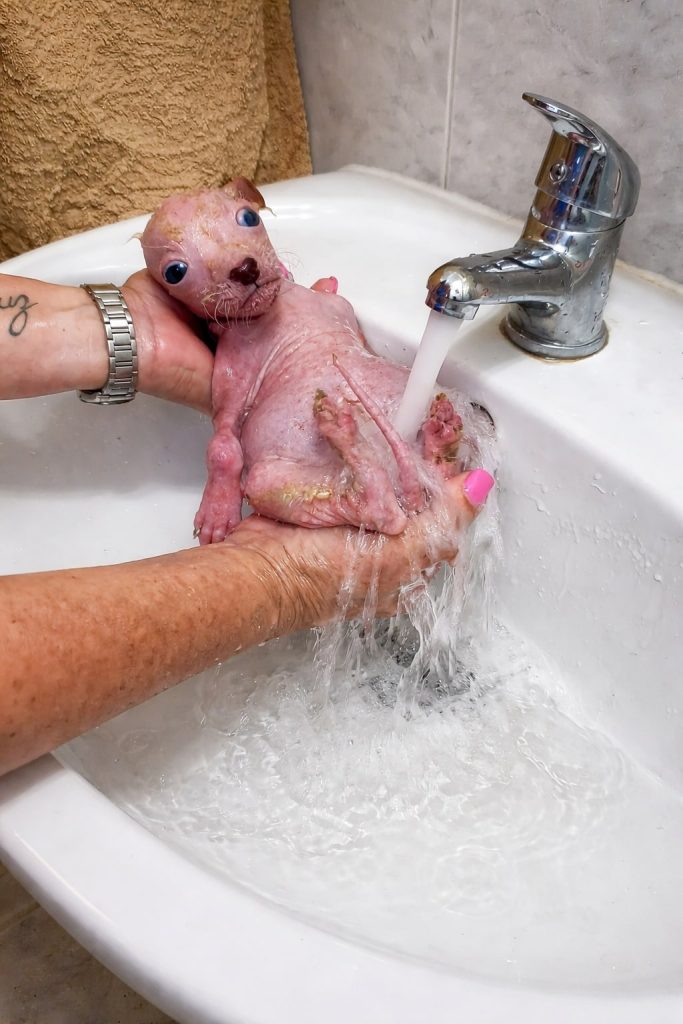
Day by day, small victories followed. His appetite improved. His eyes grew brighter. Gentle time in the sunlight strengthened his body, while medicated baths soothed his skin. Though he didn’t enjoy the routine, he tolerated it with growing calm.
By the end of the first week, Moka was no longer merely surviving—he was participating. He responded to familiar voices. Accepted gentle touch. Explored his surroundings with cautious curiosity instead of fear.
Day fifteen marked a clear turning point. Moka was eating confidently and no longer required constant monitoring. His movements became steadier. His body gained strength. Most importantly, his personality began to surface—a quiet sweetness, thoughtful eyes, and a calm presence that filled the room without needing attention.
There was no dramatic transformation. No sudden miracle.
Moka’s recovery unfolded through small, steady steps—each built on patience, consistency, and compassion. And that made his journey all the more powerful.
Today, Moka stands as a quiet reminder of what animals can overcome when given time and care. He came from darkness, but he showed that hope does not need to be loud to be real. Sometimes it arrives softly, on unsteady legs, carried by a heart learning—slowly—how to trust again.
With continued love and patience, Moka’s future now holds possibility. His story is not just about rescue. It is about resilience, and the quiet miracles that happen when someone chooses not to walk away.