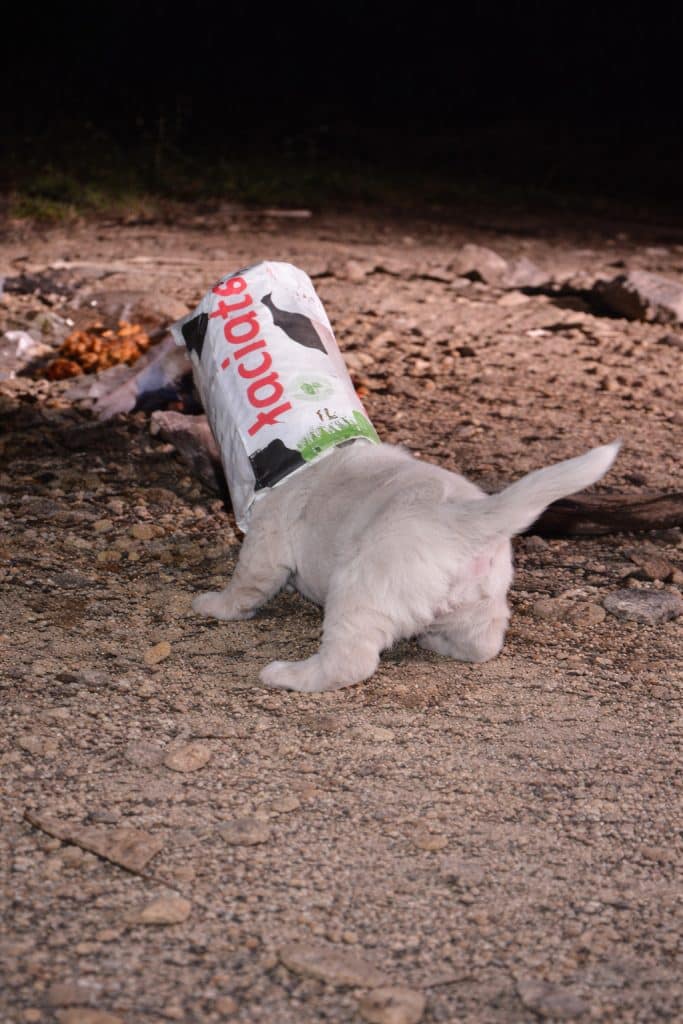
The night was quiet and empty when rescuers arrived at an abandoned dumping site on the edge of the city. There were no lights, no movement—only scattered debris and silence stretching in every direction. It was in this unlikely place that they noticed something small and struggling among the trash. As they moved closer, the situation became painfully clear.
A tiny puppy had been left behind.
His head was tightly trapped inside a discarded paper milk carton, leaving him unable to see, eat, or move freely. Exhausted and frightened, the puppy had no way to free himself. Every sound around him was unfamiliar. Every moment added to his fear. He had been abandoned in the dark, with nothing but the box around his head and the cold ground beneath him.
The rescue team acted carefully.
Using scissors, they slowly cut away the carton, taking great care not to hurt him. As the box loosened and finally came free, the puppy froze for a moment—unsure of what had just happened. Then, for the first time in who knows how long, he was able to lift his head and breathe freely again. The danger had passed, but his body was still weak from hunger and stress.
Video: From a Discarded Box to a Loving Home — Box’s Rescue and Recovery
There was no time to waste.
The puppy was immediately brought into the rescue vehicle, where he was offered food and fresh water. He ate eagerly, as if making up for lost time. Soon after, he was gently bathed, washing away dirt and parasites that had clung to him while he struggled alone. Wrapped in warmth, he finally had a chance to rest.
The following day, the puppy was taken for a full veterinary checkup.
At the clinic, he was weighed—just under two kilograms—and carefully examined from nose to tail. His teeth, eyes, and overall condition were assessed to ensure there were no hidden injuries. Preventive medications were given, along with topical treatment to protect his health as he recovered. Despite everything he had been through, the veterinarian noted something remarkable: the puppy was alert, responsive, and showing signs of resilience.
That resilience showed itself quickly.
Once he began to feel safe, his personality emerged. The fear that had once kept him still faded away, replaced by energy and curiosity. He began running, playing, and seeking attention, as though the night at the dumping site belonged to another lifetime.
To honor the moment he was found, the rescuers gave him a name.
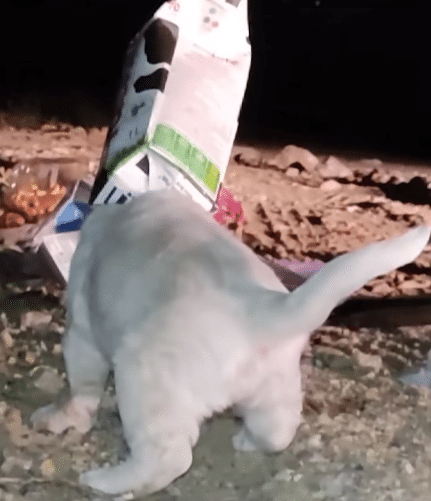
They called him Box.
From that point on, Box’s life changed completely.
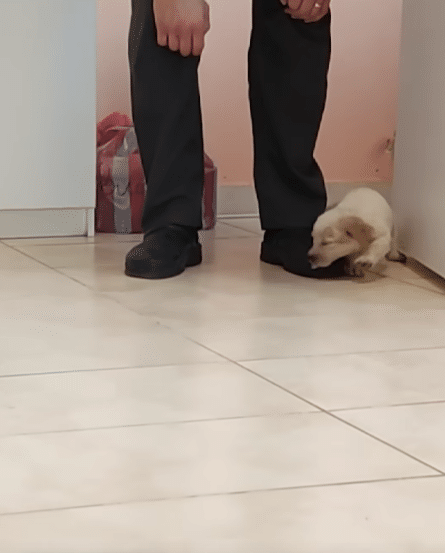
He adjusted easily to his new surroundings, bonding closely with the people who had saved him. In a warm home filled with care, Box discovered what it meant to feel secure. His days were no longer shaped by fear or hunger, but by play, affection, and rest. The puppy who had once been trapped and forgotten now followed his new family everywhere, tail wagging, eyes bright with excitement.
Box’s story is a reminder of how quickly a life can change when compassion steps in.
Abandoned animals often suffer silently, hidden in places most people never look. But when someone chooses to stop, to notice, and to help, even the smallest act can lead to a future filled with joy. Box didn’t need much—just patience, care, and the chance to begin again.
Today, Box is safe.
He is playful, healthy, and deeply loved. The box that once confined him is now only a memory, replaced by a name that marks the moment his life turned toward hope. His journey proves that rescue is not just about saving a life—it’s about giving that life the freedom to truly begin.