Some conversations are never simple.
They don’t belong entirely to one side or the other. They sit in the middle — where compassion, fear, responsibility, and community safety intersect.
In India, that delicate balance is once again under national discussion.
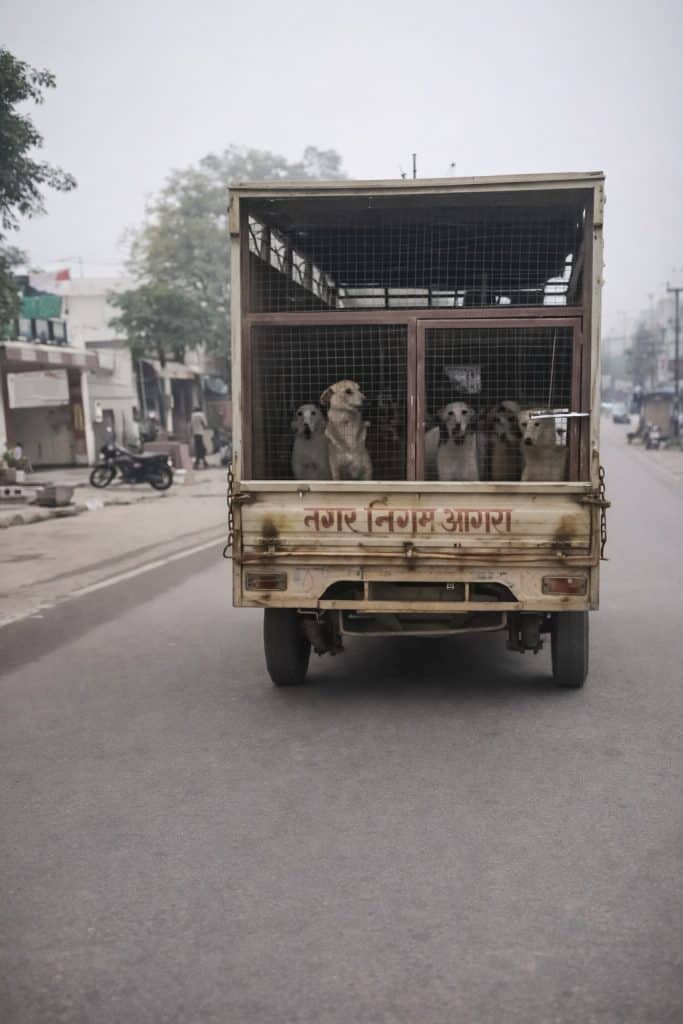
A recent ruling from the Supreme Court has brought relief to animal advocates — and concern to many residents. The issue? How the country manages its growing stray dog population.
And at the heart of it all lies a question many communities around the world quietly wrestle with:
How do we protect both animals and people — at the same time?
A Supreme Court Decision That Reignited the Conversation
India’s Supreme Court recently revised a prior directive regarding stray dog management.
Under the updated order:
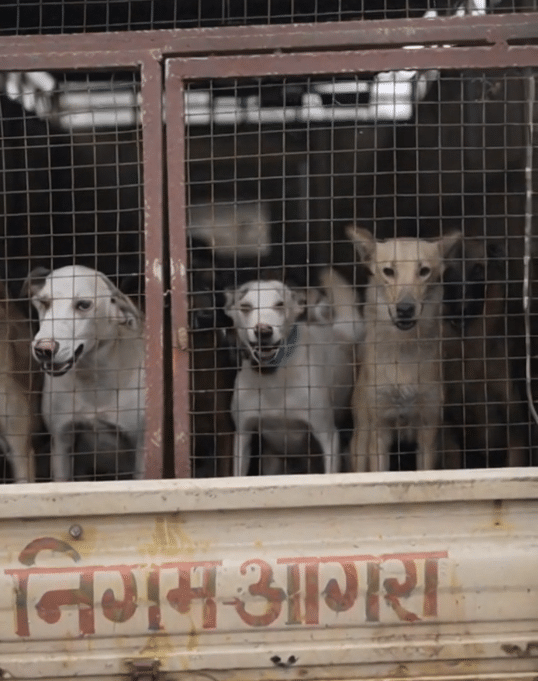
- Stray dogs captured by local authorities must be sterilized and vaccinated.
- After treatment, they must be returned to the exact area where they were originally found.
- Only dogs confirmed to have rabies or to exhibit extreme aggression may be removed permanently.
- Feeding stray dogs in unauthorized public areas is prohibited.
- Local governments must designate specific feeding zones.
- Individuals obstructing vaccination or sterilization efforts may face penalties.
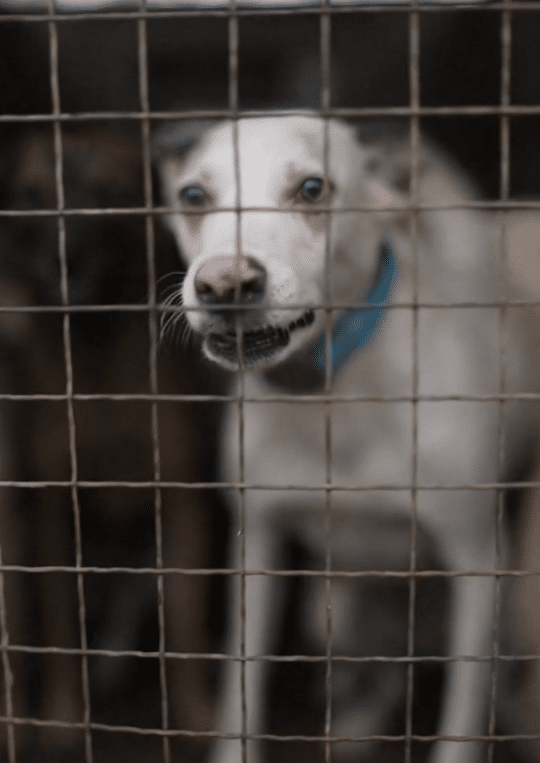
For many animal welfare supporters, this ruling reinforces a humane approach. They argue that relocating dogs to unfamiliar territories can increase stress and territorial conflict, potentially worsening behavioral problems rather than solving them.
Among those welcoming the decision are well-known animal rights advocates who believe compassion must remain central to policy.
Yet the public conversation is far from settled.
Video: Stray Dogs, Public Safety, and a Nation Divided — Inside the Growing Debate
A Community Shaken by a Recent Incident
While policy discussions continue, a distressing incident in Tamil Nadu has intensified concerns.
A young schoolgirl was reportedly injured in an encounter with a stray dog while playing outside her home. She is currently receiving medical treatment.
The details have deeply affected local residents and sparked renewed debate about how communities can better ensure safety — particularly for children.
For many families, this incident represents more than a single event.
It reflects anxiety about everyday safety in neighborhoods where stray populations remain high.
When Pet Ownership Also Becomes Part of the Issue
Stray management is only one side of the broader discussion.
In Ghaziabad, a separate incident involving a pet dog inside a residential complex has also drawn attention. Surveillance footage reportedly showed a woman being chased by a neighbor’s German Shepherd in a shared hallway, leading to injuries after she fell while trying to escape.
The woman has filed a police complaint, stating that concerns about the dog’s behavior had previously been raised.
This situation shifts part of the focus away from stray populations — and toward responsible pet ownership.
Because the debate is not only about animals without homes.
It is also about how humans fulfill their responsibilities when animals are under their care.
A Country Caught Between Compassion and Concern
India’s current discussion reveals a tension many societies experience:
On one side:
- Humane treatment.
- Vaccination and sterilization as long-term population control.
- Recognition that animals respond to stability and familiar environments.
On the other:
- Fear following highly publicized incidents.
- Frustration from residents who feel unsafe.
- Demands for stronger protective measures.
Neither perspective is inherently cruel.
Neither is entirely wrong.
Both emerge from lived experience.
And that makes the issue especially complex.
The Real Question: Responsibility
At its core, this debate is not about choosing animals over people — or people over animals.
It is about responsibility.
- Responsible municipal management.
- Responsible vaccination programs.
- Responsible enforcement of feeding regulations.
- Responsible pet ownership within residential communities.
When systems function properly — with consistent sterilization, vaccination, and monitoring — the risks associated with stray populations decrease significantly over time.
When pet owners act responsibly, incidents involving domesticated dogs also decline.
Policy alone cannot solve the issue.
But thoughtful implementation might.
Moving Forward With Care and Clarity
What this moment reveals is not a simple crisis.
It reveals the difficulty of governing compassion in crowded, complex communities.
Protecting public safety and preserving humane values are not opposing goals — but achieving both requires structure, transparency, and accountability.
For families, safety matters.
For animal advocates, dignity matters.
For policymakers, balance matters.
And perhaps the path forward lies not in extremes — but in steady, measured solutions that acknowledge every life involved.
Because when communities feel heard — and animals are treated with responsibility rather than reaction — trust becomes possible again.