Some dogs cry when they need help. They whimper, bark, or cling to the edges of the road, hoping someone will notice. Diana did none of those things. She just kept walking.
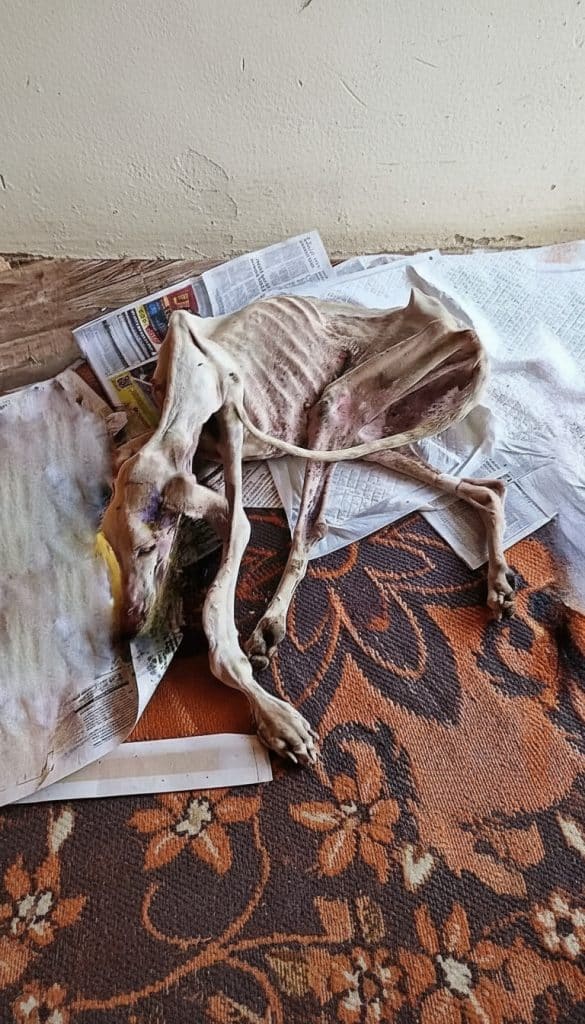
On a quiet stretch of road, where cars moved faster than any injured animal ever should, Diana stepped into traffic as if she had already made peace with whatever came next. Her head stayed low. Her body trembled with each step. Vehicles passed close enough to shake the air around her thin frame, yet she never flinched.
She wasn’t chasing food. She wasn’t seeking attention.
She was simply moving forward because stopping felt worse.
A passerby pulled over, shaken by the sight. This wasn’t a curious stray or a dog momentarily lost. This was an animal surviving on instinct alone, pushing her body forward even though it had already given her every reason to quit.
A Life Reduced to Survival
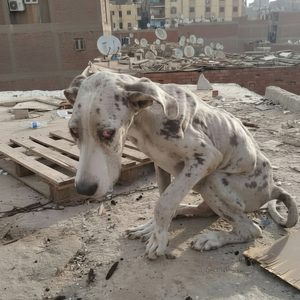
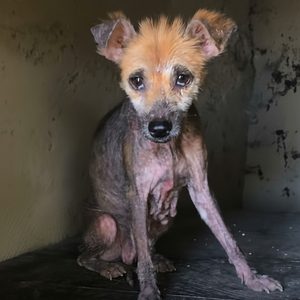
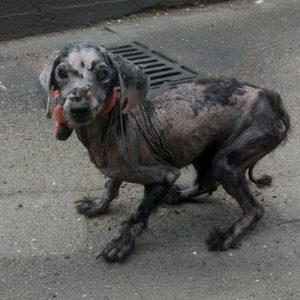
Up close, the damage told a painful story. Diana was dangerously thin, her ribs pressing hard against skin that showed signs of long-term neglect. Old injuries marked her legs, some never properly healed. Her front legs bent at unnatural angles, and her back legs struggled to support her weight. Every step looked painful, yet she refused to lie down.
It was hard to understand how she had lasted this long. The road was isolated. Food was scarce. Safety didn’t exist.
When food was offered, Diana accepted it slowly, cautiously. Her tail flicked once, unsure whether gratitude or fear should come first. Hunger pulled her forward, but fear kept her at a distance. Each time a human stepped closer, she backed away and continued down the road.
She wanted help. But fear was louder than hunger.
Dogs who have experienced pain at the hands of humans often learn a brutal lesson: approaching people can mean suffering. Over time, that fear becomes a shield. It may look like resistance or aggression, but it is often nothing more than self-protection.
Video She Walked Into Traffic With Nothing Left to Fear: Diana’s Quiet Fight for a Second Chance
When Night Fell, Time Ran Out
As daylight faded, Diana’s condition worsened. Her limp deepened. Her pace slowed. Each passing car became a greater danger.
When rescuers finally reached her, they moved slowly and carefully. Even so, Diana cried out when hands reached toward her. She tried to defend herself. She snapped in panic, not out of malice, but out of terror.
Pain has a way of sharpening fear. When a body hurts everywhere, even gentle touch can feel like a threat.
Eventually, Diana’s strength gave out. She collapsed, no longer able to fight or flee. Inside the rescue vehicle, she managed a few small sips of water before curling in on herself, exhausted beyond words.
No one knew if she would survive the night.
Before treatment began, they gave her a name.
Diana.
What the Exam Revealed
At the clinic, the truth came into focus. Diana had once been a mother. Her body showed signs of repeated pregnancies, followed by abandonment when she was no longer “useful.”
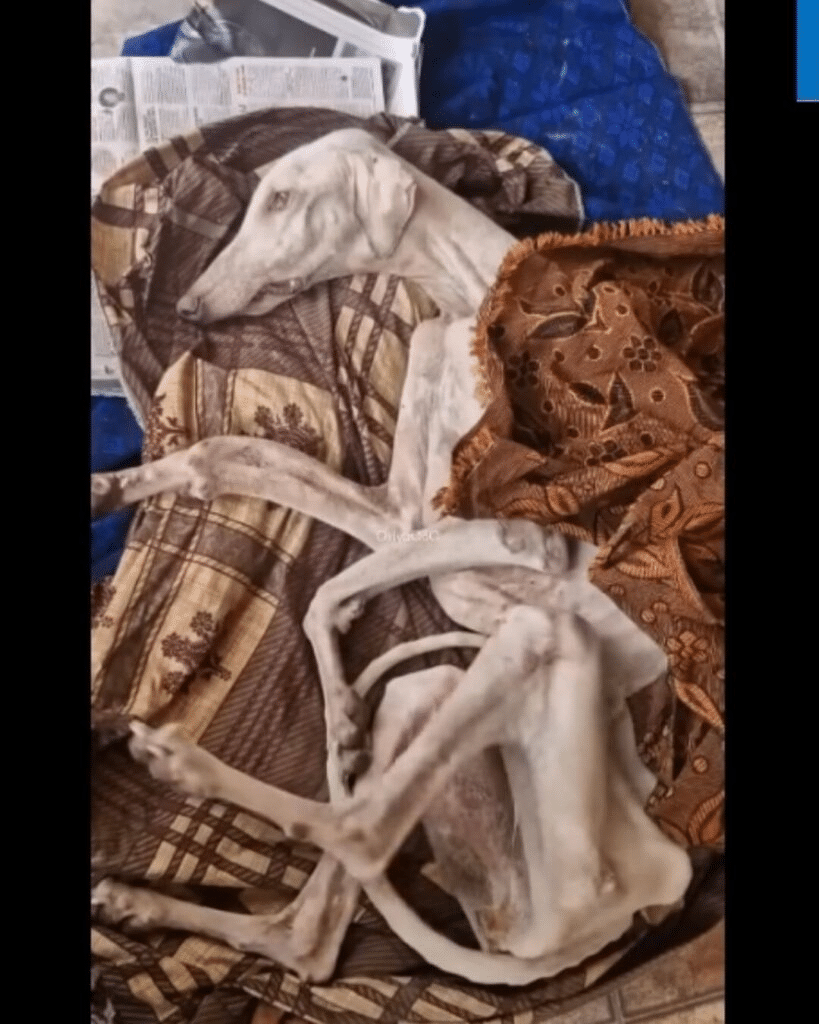
Severe malnutrition, untreated injuries, and deep trauma had been her reality for far too long.
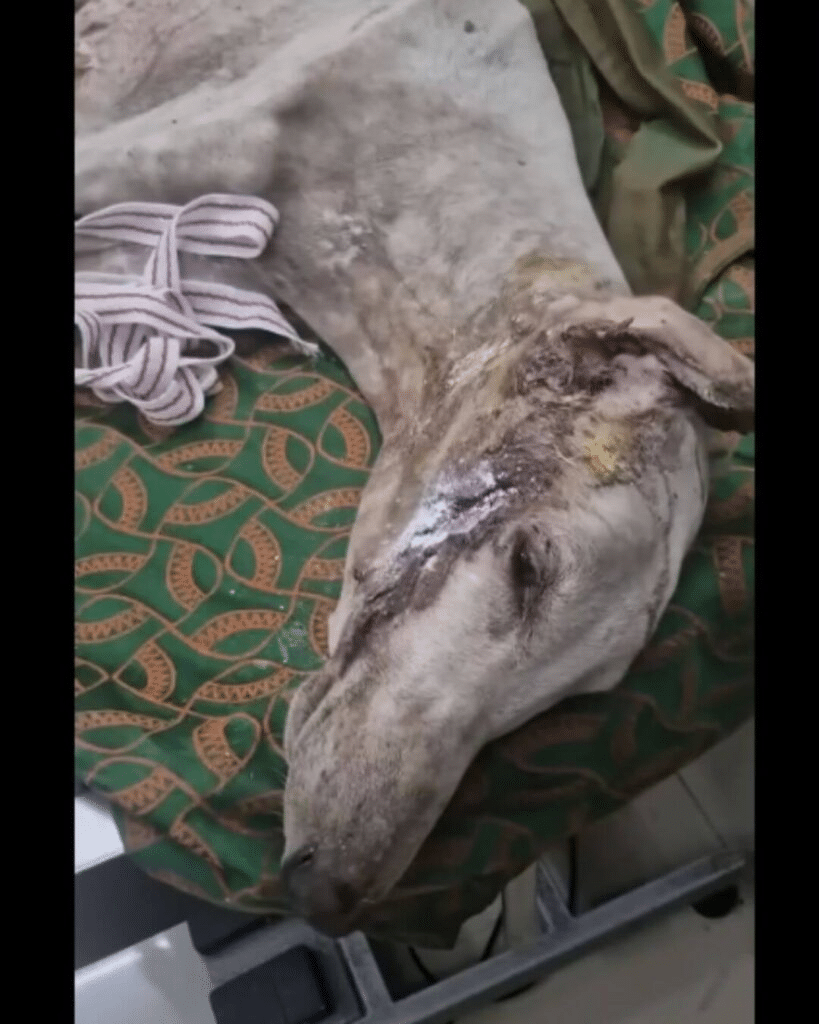
The first few days were critical. Diana was weak, painfully hungry, and exhausted. Sitting up took effort. Standing felt like a mountain to climb. Every small movement drained what little energy she had left.
Yet something remarkable remained.
She didn’t give up.
Careful feeding and medical treatment began to stabilize her condition. Progress was slow, measured in tiny victories rather than dramatic changes. But each day, she tried.
Her endurance surprised everyone.
Finding Strength Again
As her body slowly healed, Diana began to change in subtle ways. She found her voice again, letting out low growls when she felt overwhelmed. Instead of fear, those sounds marked something important.
She was setting boundaries.
It meant she was aware. It meant she had enough strength to say “this is too much.” It meant she was coming back to herself.
Not long after, Diana stood on her own. She wobbled. She needed support. But she stood because she wanted to move forward.
Some days were harder than others. Medication left her tired. Physical therapy tested her limits. But she kept showing up, day after day, refusing to surrender the ground she had gained.
Week by week, her body responded. Her coat improved. Her eyes softened. Her posture changed.
She gained weight. Strength returned to muscles that had nearly disappeared.
A New Chapter Begins
Eventually, Diana joined other dogs at the rescue center. For the first time in a long while, she experienced routine, calm voices, and consistent care. A foster caregiver provided patience and stability, giving Diana the space she needed to heal emotionally as well as physically.
Over the months, the transformation became undeniable. She gained eight kilograms. Her movements grew steadier. Her fear softened into caution, and her caution slowly gave way to trust.
People followed her journey, cheering quietly from afar.
By the time two hundred days had passed, one truth stood clear: Diana was no longer just surviving.
She was living.
Why Diana’s Story Matters
Diana’s story is not rare. Dogs who are abandoned after injury, illness, or breeding are often left to endure suffering in silence. Many never make it far enough for help to arrive.
Her survival is a reminder that resilience can exist even in the most broken bodies. Compassion, when it shows up at the right moment, can change an ending that once felt inevitable.
Today, Diana rests without fear of traffic or hunger. She walks knowing that stopping is no longer dangerous. She sleeps knowing that tomorrow will come with care, not pain.
She didn’t walk into traffic because she wanted to die.
She walked forward because she didn’t know another way.
Now, finally, she does.