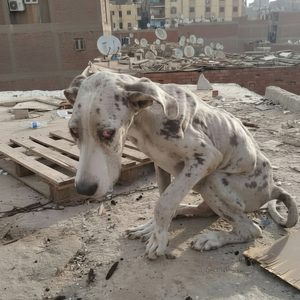
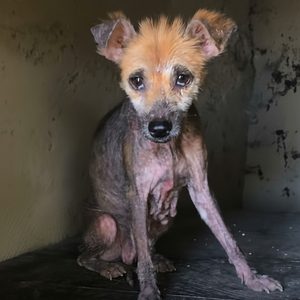
Natu’s story stands as a quiet yet powerful reminder of how compassion can alter the course of a life that once seemed beyond saving. His journey is not one defined by cruelty alone, but by resilience, patience, and the steady hands of people who refused to look away. What began as a heartbreaking discovery in an unforgiving landscape slowly became a story of recovery, dignity, and renewed hope.
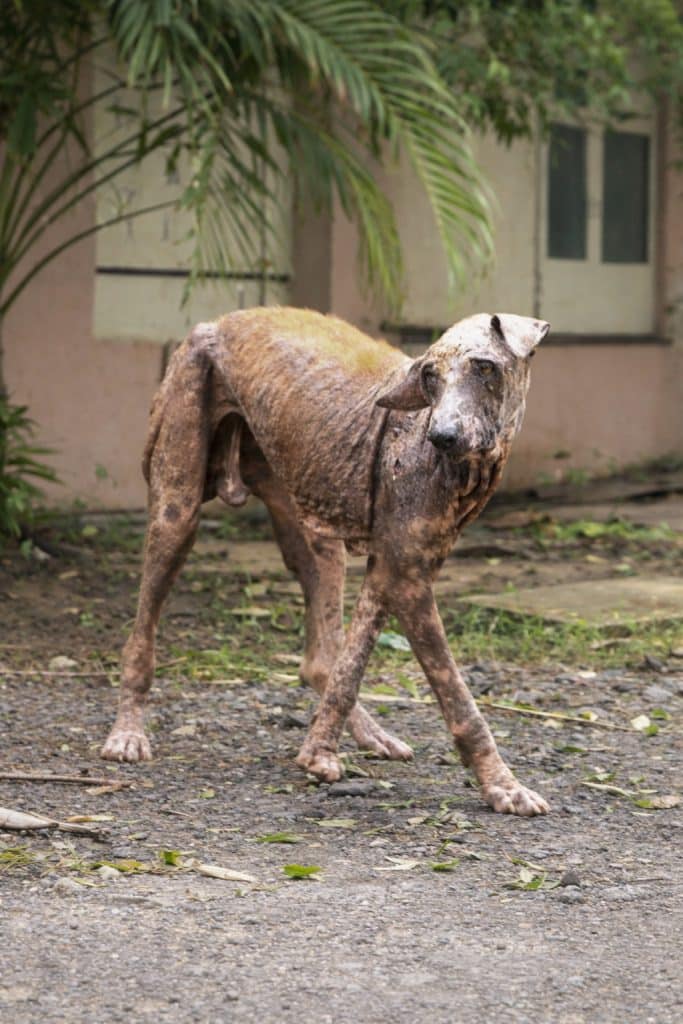
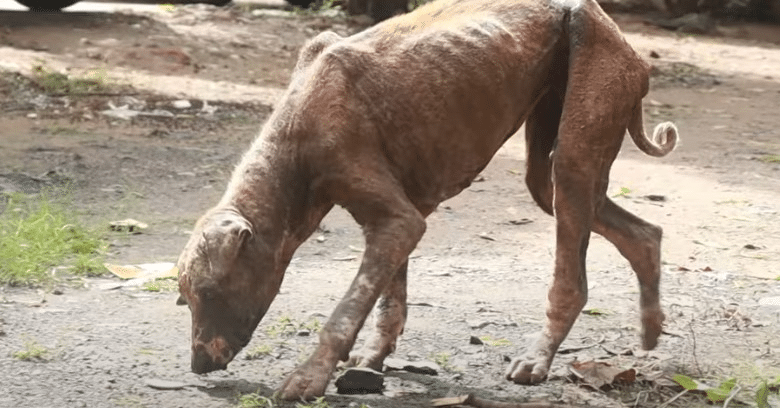
When Natu was first found, the signs of prolonged suffering were impossible to ignore. He wandered through a barren area with little access to food or shelter, his body showing the toll of months—perhaps longer—of neglect. Severe mange had overtaken his skin, leaving him weak, uncomfortable, and vulnerable to infection. His once-protective coat was thin and uneven, and his movements reflected both hunger and exhaustion. It was clear that survival itself had become a daily struggle.
Despite his condition, Natu did not lash out in fear. Instead, he appeared withdrawn, conserving what little energy he had left. Animals in such circumstances often react unpredictably, but Natu’s response hinted at something deeper—an inner strength that had not yet been extinguished. That quiet resilience would later become one of the defining features of his recovery.
When rescuers finally encountered him, they were struck by the severity of his condition. Years of experience had prepared them for difficult cases, yet Natu’s state was a sobering sight. Still, they saw past the damaged skin and frail body. Beneath the illness and fear was a life that deserved care, safety, and a chance to heal. Without hesitation, they moved carefully, offering food and speaking softly, allowing Natu to sense that no harm was intended.
Video From Despair to Recovery: How Compassion Changed Natu’s Life Forever
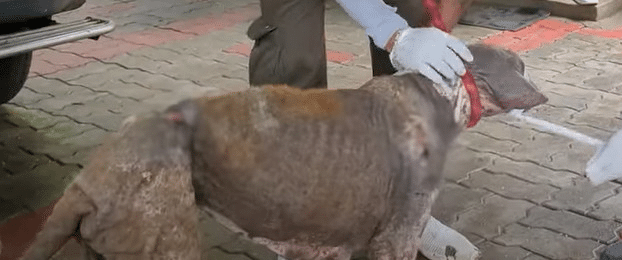
Building trust was the first and most crucial step. In situations like this, patience can mean the difference between progress and panic. The rescuers gave Natu time, maintaining a calm presence until he accepted their help. When it became clear that he was too weak to move safely on his own, they gently secured him to ensure he would not injure himself or attempt to flee. Every action was deliberate, measured, and guided by concern for his fragile state.
Once transported to receive professional care, Natu’s long road to recovery truly began. A thorough veterinary examination revealed the full extent of his condition. The mange had caused widespread skin damage, leaving him susceptible to infection and discomfort. His body bore the marks of untreated wounds, and his immune system was clearly compromised. Each finding painted a picture of prolonged hardship, but none of it diminished the determination of the team caring for him.
Throughout the initial treatments, Natu remained remarkably calm. Painful procedures are never easy, especially for an animal unfamiliar with gentle handling, yet he endured them with quiet acceptance. It was as if he recognized that these unfamiliar hands were finally offering relief rather than harm. That trust, once established, became a vital part of his healing process.
As treatment progressed, additional issues were identified, including internal swelling that required careful medical attention. Addressing these concerns early was essential to preventing further complications. With consistent care, medication, and proper nutrition, Natu slowly began to stabilize. Each small improvement—clearer skin, increased appetite, stronger movements—signaled that his body was responding to the care he had been denied for so long.
Recovery is never immediate, especially after prolonged neglect. Natu’s healing required time, resources, and unwavering commitment. Regular treatments helped control the mange, while supportive care allowed his skin to repair itself naturally. Gradually, new fur began to grow, covering areas that had once been raw and exposed. His eyes grew brighter, and his posture changed from guarded to curious.
Equally important was the role of consistent human presence. Emotional healing often lags behind physical recovery, and animals who have suffered neglect need reassurance that safety is no longer temporary. Through routine, gentle interaction, and calm environments, Natu began to relax. He learned that food would arrive regularly, that hands could bring comfort, and that rest did not require constant vigilance.
Behind every stage of Natu’s transformation was a network of support that made his care possible. Resources, supplies, and dedicated professionals all played a part in giving him a second chance. Without this collective effort, stories like Natu’s might never reach a hopeful conclusion. His progress is a reflection not only of medical intervention, but of empathy in action.
Today, Natu continues to recover, each day building upon the last. While scars from his past may take time to fade completely, his future looks markedly different from the life he once knew. He now experiences warmth, nourishment, and stability—elements that form the foundation of true healing.
Natu’s journey serves as a reminder that even in the most difficult circumstances, change is possible. Compassion does more than treat wounds; it restores dignity and opens the door to new beginnings. His story highlights the resilience of animals and the profound impact that patience, care, and kindness can have on a life once defined by suffering.