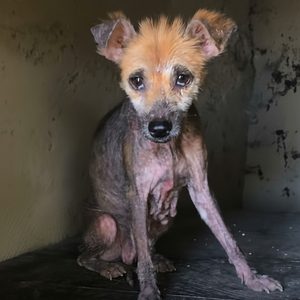
On a quiet stretch of road that few people noticed, two very young puppies lay close together, barely able to stand. Their small bodies looked unbalanced, weighed down by swollen bellies that made every movement slow and uncomfortable. Each step seemed to take effort, as if their strength was running out.
They had spent their earliest days without shelter or reliable food. What looked like full stomachs were not a sign of health, but a warning. Their bodies were weak, deprived of proper nutrition, and struggling to cope. Without help, their situation could have turned critical very quickly.
For a while, they remained unseen.
Then someone stopped.
A few passersby noticed the puppies and understood immediately that this was more than a passing problem. These were two lives in urgent need of care. They reached out for help, contacting local rescuers and ensuring the puppies were taken straight to a veterinary clinic.
VIDEO: From Struggling to Thriving – Puppies Find Hope Through Compassionate Intervention
The change was overwhelming for them. At the clinic, the puppies stayed pressed close to each other, trembling in an unfamiliar space. Fear was visible in their eyes, but so was something else—a quiet sense of relief. For the first time, they were no longer alone.
Veterinarians began their examinations right away. The diagnosis explained what their fragile bodies had been enduring. Severe malnutrition had left them dangerously weak. Anemia, worsened by heavy tick infestations, had drained their remaining strength. Their red blood cell levels were critically low, and immediate treatment was necessary.
The medical team acted quickly but carefully. Blood transfusions were the first crucial step, helping stabilize the puppies and give their bodies the strength they no longer had on their own. Every moment was monitored closely, but the tiny patients responded better than expected.
Next came gentle treatment to relieve the painful fluid buildup in their abdomens. Once the excess fluid was safely removed, the difference was immediate. Breathing became easier. Their bodies relaxed. For the first time in a long while, comfort replaced constant strain.

When the puppies woke, they were offered a proper meal. At first, they hesitated, unsure if the food would disappear like it always had before. Then instinct took over. They ate eagerly, with growing confidence, as if realizing that this time, the care was real—and it was staying.
Over the following days, steady progress followed. Their appetites returned. Strength slowly rebuilt itself. Each morning brought small but meaningful changes: brighter eyes, steadier steps, and more curiosity about the world around them.
As their bodies healed, their personalities began to emerge. The puppies no longer flinched at gentle touch. Instead, they leaned into it. Tails wagged. Playful moments appeared. The fear that once defined their days gradually gave way to trust.
They discovered soft bedding, warm blankets, and the comfort of human presence. While their bond with each other remained strong, they also formed new connections with the people caring for them—connections built on patience, routine, and kindness.
The transformation was remarkable, not because it happened quickly, but because it happened steadily. With proper nutrition, medical care, and a calm environment, the puppies began to thrive. Their coats improved, their movements grew confident, and their energy returned in joyful bursts.

Now, their future looks entirely different.
Once their recovery is complete, these two resilient puppies will be ready for the next chapter—finding permanent homes where they can continue to grow in safety and love. They are no longer defined by weakness or abandonment, but by survival and possibility.
Their story is a reminder that compassion does not have to be dramatic to be life-changing. Sometimes, all it takes is stopping, noticing, and choosing to care. For these puppies, that choice made all the difference.