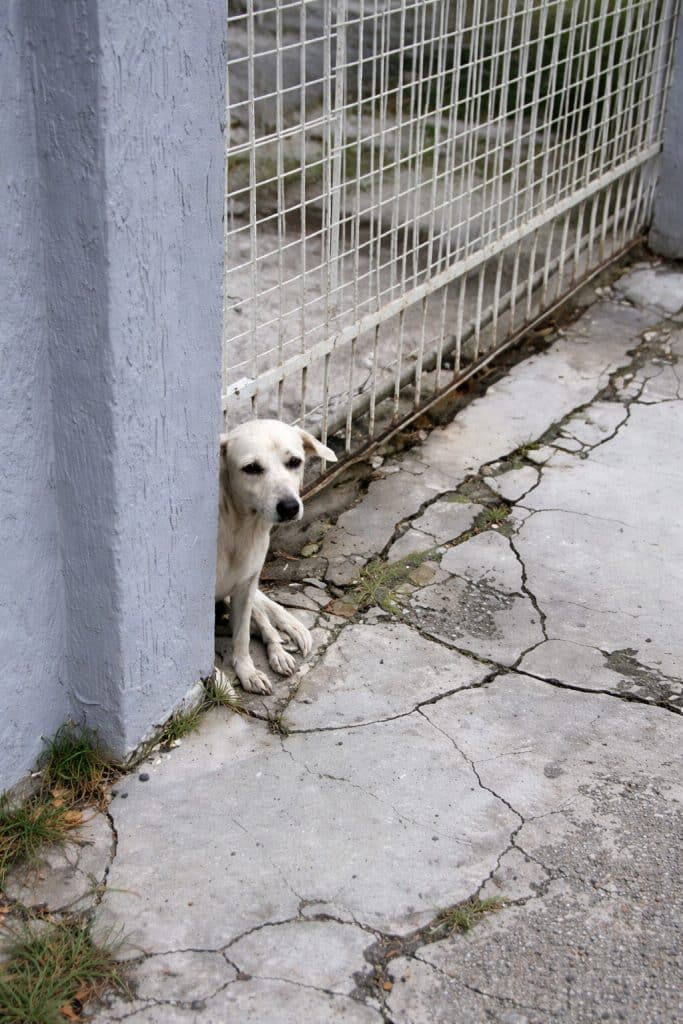
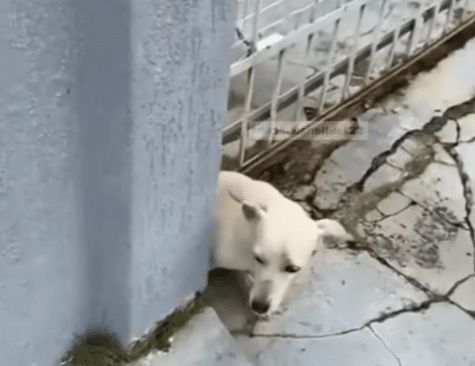
Winky was discovered early one quiet morning in a peaceful neighborhood—curled tightly against a wall near a gate, trembling and completely still. He didn’t bark. He didn’t try to follow anyone passing by. Instead, he pressed himself into the corner as if hoping to disappear. His small body was thin, his posture withdrawn, and his eyes carried a deep sense of uncertainty.
Even when food was placed nearby, Winky refused to move. He stayed exactly where he was, unsure whether the offering was safe or another disappointment waiting to happen. Every sound made him flinch. His body language told a familiar story—this was a dog who had learned that trusting too quickly could lead to pain.
The rescuer who arrived understood something important right away: Winky did not need to be rushed. Instead of reaching for him, they sat nearby, speaking softly and giving him space. There was no pressure, no sudden movement. Just presence. For dogs like Winky, trust doesn’t come from urgency—it grows through consistency.
Over repeated visits, small changes appeared. Winky began lifting his head when the rescuer arrived. He accepted food more readily. His body loosened, just a little. Eventually, after patient reassurance and calm encouragement, Winky made a quiet but powerful choice—he stepped toward the car. It wasn’t dramatic, but it marked a turning point. Fear was no longer in complete control.
VIDEO: Winky’s New Beginning – How Patience and Kindness Changed One Abandoned Dog’s Life Forever
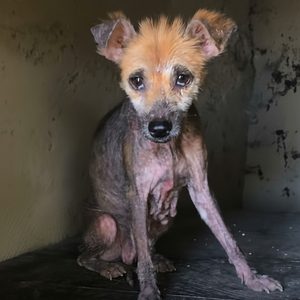
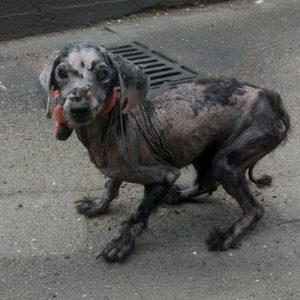
At the veterinary clinic, Winky finally received the care he had been missing. Examinations showed he was dealing with an infection, mild malnutrition, and parasites that had drained his strength. Thankfully, his condition could be treated with medication, proper nutrition, and rest. With time and stability, he had every chance to recover.
As treatment began, more of Winky’s story came into focus. Security footage later revealed the moment he had been left behind—quietly placed near the gate before a car drove away. It was a painful reminder that abandonment often happens without hesitation. But from that moment forward, Winky’s future no longer belonged to his past.
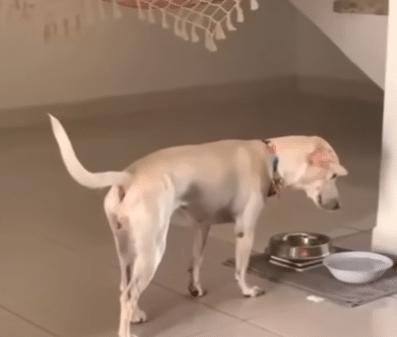
With consistent care, Winky began to change. His body responded quickly to regular meals and medication. His coat grew back softer and fuller, replacing the dull signs of neglect. Yet the most meaningful transformation wasn’t physical—it was emotional.
The dog who once froze in fear began to show curiosity. His tail wagged more often. He explored his surroundings carefully at first, then with growing confidence. His eyes, once heavy with worry, became brighter and more engaged. Fear slowly gave way to trust.
Winky’s personality unfolded in gentle layers. He discovered joy in short runs across the grass and pauses to investigate new scents. Walks became calmer, more relaxed. He even began interacting comfortably with other dogs, learning that companionship didn’t have to mean competition.
Today, Winky lives in a quiet residential area where his days are shaped by routine and comfort. He enjoys peaceful walks, familiar faces, and the freedom to explore without fear. Most importantly, he has regained something far more valuable than strength—he has regained trust.
Winky’s journey reminds us that healing doesn’t happen overnight. It’s built through small, intentional moments—sitting nearby, offering food without pressure, returning day after day. Those moments add up. And when patience replaces neglect, even the most frightened hearts can learn to feel safe again.