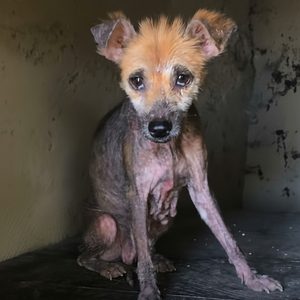
Stories of rescued dogs finding comfort and safety often bring hope to millions. Photos of animals once neglected, now resting peacefully in warm homes, travel quickly across social media. These moments remind us of resilience and the healing power of kindness. Yet for many dogs, especially those quietly rescued from long-term harm, their journeys begin in ways few people ever see.
Behind the happy endings is a reality that deserves understanding. Some dogs spend months or years living in isolation, deprived of care and human connection. Their suffering is rarely visible to the public, not because it doesn’t exist, but because it happens out of sight. Bringing awareness to this reality is not about shock—it is about responsibility.
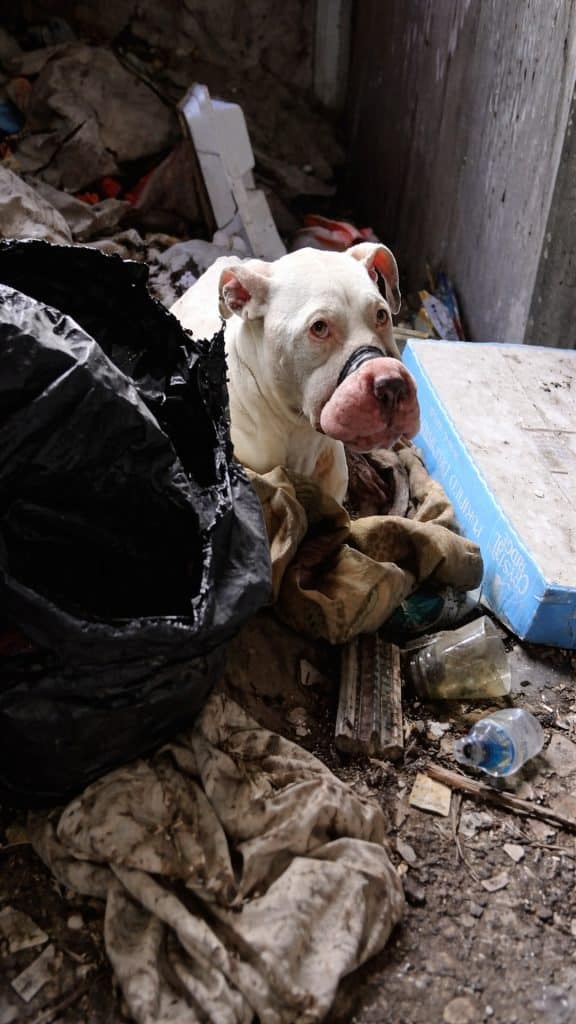
Those who work in animal welfare encounter these cases more often than most realize. Rescuers arrive at neglected properties, empty lots, or forgotten corners of communities to find dogs who have known nothing but uncertainty. Many are gentle by nature. They are not aggressive or dangerous. Instead, they are confused, undernourished, and emotionally withdrawn after prolonged neglect.
Education plays a crucial role in changing this cycle. Understanding how and why such situations occur helps communities recognize warning signs and take action. When people are informed, they are more likely to report concerns, support rescue efforts, and advocate for stronger protections.
VIDEO: The Hidden Truth Behind Bait Dog Abuse – Why Awareness and Compassion Matter More Than Ever
The purpose of sharing stories like these is not to sensationalize suffering, but to shed light on realities that too often remain hidden. In one recent rescue, two dogs were removed from harmful conditions and given a chance to begin again. Their recovery required time, medical care, and patient guidance. Progress came slowly—but it came.
As weeks passed, signs of trust began to appear. They learned that food would arrive regularly. That rest could happen without fear. That gentle voices and calm hands meant safety, not harm. These small changes marked the beginning of emotional healing—something just as important as physical recovery.
Animal welfare professionals emphasize that these situations occur year-round and in many communities. Preventing future harm requires more than rescues alone. It calls for education, outreach, and accountability. When cruelty is addressed early, fewer animals suffer in silence.
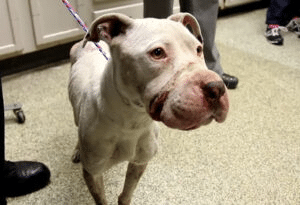
One of the most heartbreaking patterns is how often neglected dogs are abandoned once they are no longer considered useful. Without care or protection, survival becomes uncertain. Yet even after everything they have endured, many still respond to kindness with gentleness. Their ability to heal reminds us why compassion matters.
Every documented rescue serves a larger purpose. It shows that intervention works. That awareness leads to action. And that informed communities can make a difference. Supporting rescue organizations, sharing accurate information, and encouraging empathy all help reduce the conditions that allow neglect to continue.
Change rarely happens overnight. It grows through consistent efforts made by people who choose not to look away. By staying informed, supporting ethical rescue work, and promoting responsible care, we help create safer environments for animals everywhere.
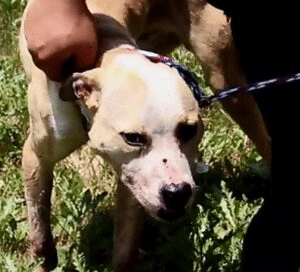
This is not just a story about hardship. It is a story about choice—about what happens when compassion replaces indifference. When people decide to act, progress follows. And through awareness and understanding, a future built on empathy becomes possible—one rescued life at a time.