For most of his life, Mingo learned how to disappear.
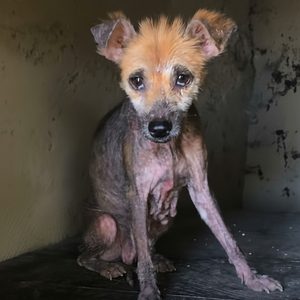
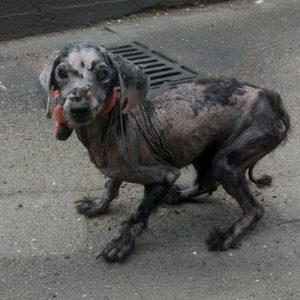
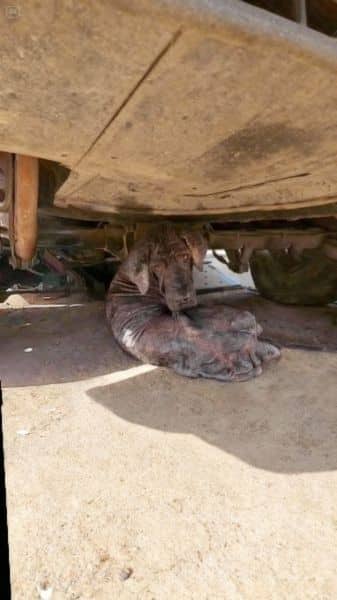
He was an aging street dog who blended into the background of busy neighborhoods—thin, worn down, and easy to ignore. People noticed his scruffy coat and tired eyes, then looked away. Some crossed the street. Others shouted for him to leave. Over time, Mingo understood that survival meant staying quiet, moving carefully, and never expecting kindness.
The streets shaped him in ways no dog should have to endure. Hunger followed him every day. Sleep came in short, restless stretches, always alert for danger. His body weakened with age, yet he kept going because stopping was never an option. Beneath the tangled fur and fragile frame lived a quiet determination that no one had ever taken the time to see.
Mingo wasn’t aggressive. He wasn’t dangerous.
He was simply old, exhausted, and forgotten.
Video: Rejected for His Looks, Mingo the Old Street Dog Finds a Second Chance at Life
When rescuers finally encountered him, they recognized the weight of his story immediately. Mingo didn’t rush toward them or beg for attention. He stood still, watching, uncertain whether these humans would help—or hurt. His body told its own truth. Long-untreated skin and ear infections caused constant discomfort. A closer examination revealed a fractured hind leg that had healed improperly over time, forcing him to adapt to daily pain.
There were concerns beyond what the eye could see. Tests were ordered to rule out serious illness, and treatment began right away. Mingo was lifted gently into care, but even gentleness felt unfamiliar. During his first bath, he cried softly—not in resistance, but in confusion. Warm water. Gentle hands. A sensation he had never known.
That moment marked the beginning of something new.
Recovery came slowly, as it often does for older dogs. Mingo’s body was fragile, his steps cautious, his energy limited. Each day followed a careful rhythm of rest, medication, and nourishment. His caregivers understood that healing wouldn’t be rushed. Gradually, infections eased. His appetite returned. With steady meals, his body began to fill out, and the sharp edges of hunger softened.
Emotionally, trust took longer. Years of rejection don’t disappear overnight. But small changes began to appear. Mingo stopped flinching when people approached. He accepted gentle touches. He learned to walk on a leash, step by careful step, discovering that guidance didn’t always mean harm.
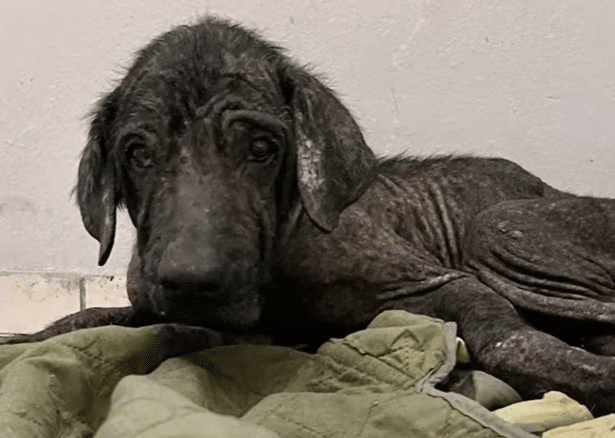
Then came the news everyone had hoped for. The test results returned negative, lifting one of the biggest fears surrounding his health. It was a turning point—not just medically, but emotionally. With that weight removed, his care could focus fully on comfort, strength, and rebuilding trust.
Despite his age, signs of renewal quietly emerged. Mingo’s eyes grew brighter. His posture improved as his body regained strength. He lifted his head to observe the world around him, no longer shrinking into himself. These weren’t dramatic transformations, but they were meaningful ones. Proof that healing isn’t reserved for the young.
Today, Mingo continues his journey toward a safer, gentler life. He may never run like a puppy or look like a dog from a magazine cover—but that no longer matters. He is warm. He is fed. He rests without fear and wakes each day in the same safe place.
Mingo’s story is a reminder that worth isn’t measured by age or appearance. Senior animals are often overlooked, yet they carry resilience, quiet strength, and a deep capacity for love once given the chance.
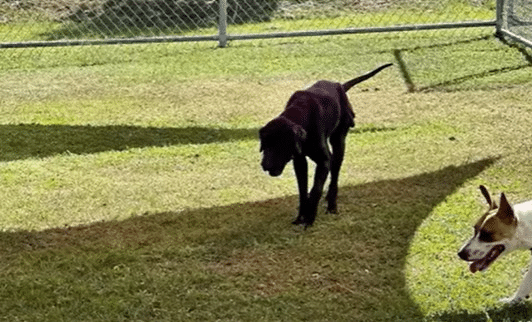
Thanks to those who chose compassion over judgment, Mingo’s remaining years will be filled with comfort and dignity. He will know steady routines, gentle hands, and the simple peace of belonging. His life proves that it is never too late for kindness—and that even the most overlooked souls deserve a soft place to land.